
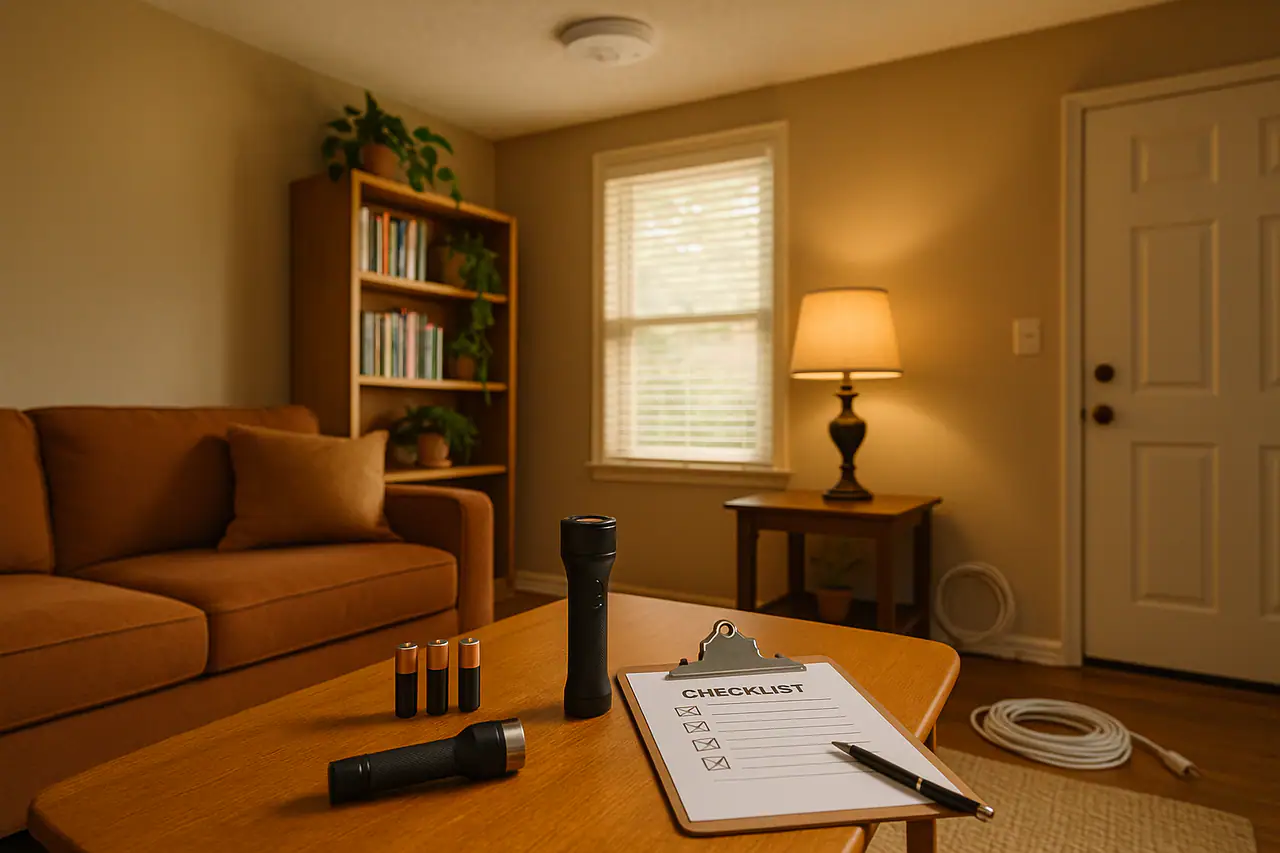
Keeping your home’s electrical system safe and reliable doesn’t require advanced technical skills, but it does require regular checks, a trained eye for warning signs, and knowing when to call a licensed electrician. This practical checklist is written for homeowners in Granbury, Hood County and the surrounding North Texas communities. Use it to find small problems before they become big (and dangerous) ones, and to prepare your home for seasonal changes, remodels, or when hiring a pro.
Why a proactive electrical safety checklist matters
Electrical issues are a common cause of household fires and property damage. Simple, regular inspections help you catch: frayed wires, overloaded circuits, failing outlets, and aging panels, all of which can lead to outages or hazards. A proactive approach saves money, reduces downtime, and protects your family. As a veteran-owned local company, Revamped Electric emphasizes safe, code-compliant work and fast, friendly service when you need professional help.
How to use this checklist
Perform the quick monthly checks below, a more thorough quarterly review, and a full inspection annually (or before big projects). Follow the safety tips; when in doubt, stop and call a licensed electrician. We link to trusted resources and common services you may need along the way.
Monthly checks (10–15 minutes)
- Test GFCI outlets: Press the TEST button, then RESET. GFCIs (bathrooms, kitchens, garages) protect against shock. If they don’t trip/reset, schedule a repair.
- Listen and look for unusual signs: Buzzing sounds, flickering lights, warm wall plates, or a persistent burning smell are immediate red flags.
- Check for loose or wobbly outlets and switches: Loose outlets can indicate poor wiring or worn mounting hardware. Loose outlets are commonly fixed by professionals through outlet repair or replacement.
- Confirm smoke detectors and carbon monoxide alarms are working: Test and replace batteries as needed, these devices save lives and are part of electrical safety.
Quarterly checks (30–45 minutes)
- Scan visible wiring and cords: Look behind TVs, behind appliances, and along baseboards. Replace frayed cords and avoid running extension cords as permanent wiring.
- Assess outlet load: If extension cords and power strips are used frequently in the same spot, you may have circuit overload. Consider adding a dedicated circuit or moving appliances to different circuits.
- Check outdoor fixtures and landscape lighting: Ensure exterior fixtures are weather-tight, bulbs are correct wattage, and low-voltage lines are intact.
- Exercise breakers: On panels where a breaker hasn’t been used recently, move them to OFF and back to ON to keep mechanisms free. If breakers won’t reset or trip frequently, it’s time for professional troubleshooting.
Annual checks (1–2 hours; consider hiring a pro)
Some inspections should be completed by a licensed electrician, especially if you live in an older home or plan remodels. Annual checks include:
- Full panel inspection: Have a pro check the main service panel for loose connections, corrosion, overheated bus bars, or outdated equipment. If your home still has a fuse box or an outdated panel, consider a panel upgrade for safety and capacity.
- Faulty wiring evaluation: A licensed technician can identify hidden risks like knob-and-tube, aluminum wiring, or improper DIY splices. These are fire risks and need professional correction, read more on faulty wiring.
- Dedicated circuits for high-demand appliances: Washers, dryers, HVAC systems, EV chargers and workshops often need dedicated 240V or high-amp circuits. Ask your electrician if your home’s load capacity is sufficient.
- Infrared inspection: Some electricians use thermal imaging to find hot spots behind walls or at connections before they fail. This is especially valuable for older panels and commercial systems.
Spot checks and what to watch for (warning signs)
These are immediate issues that require action:
- Sparking or visible arcing: Any spark when plugging in or using a switch is dangerous. Stop using the circuit and call an electrician.
- Scorch marks or discoloration around outlets: Signs of overheating mean loose connections or overloaded circuits.
- Fuses blowing or breakers tripping repeatedly: Could indicate overloaded circuits or short circuits.
- Hot outlets or faceplates: Heat at an outlet is a fire hazard.
- Persistent loss of power to part of the house: If the utility has confirmed service, the issue may be inside your home and needs professional troubleshooting.
DIY safety rules (what you can and can’t do)
DIY: Replace a light bulb, reset breakers, test GFCIs, and replace lamps or appliance cords. Use only licensed electricians for anything that involves opening the panel, changing wiring, installing 240V circuits, or modifying fixed wiring. Working on panels or wiring without training is dangerous and often illegal under local codes.
Safe prep before the pro arrives
- Make a note (or take photos) of the exact symptoms: location, time of day, frequency, and anything that triggers the issue.
- Gather appliance model numbers if a specific device appears to be at fault.
- Clear access to the panel, outlets, and affected areas so the electrician can work quickly and safely.
How Revamped Electric helps
Our team provides fast, friendly, and code-compliant service across Hood, Parker, and Johnson counties. Whether you need a quick outlet repair, troubleshooting for suspected faulty wiring, or a full panel upgrade, we’ll diagnose the issue, explain your options, and give a clear estimate. As a veteran-owned company, we value integrity and community, we treat your home like our own.
Final checklist (quick recap)
- Monthly: Test GFCIs, look/hear for unusual signs, check smoke/carbon alarms.
- Quarterly: Inspect cords, assess outlet load, test exterior fixtures, exercise breakers.
- Annually: Professional panel and wiring inspection, load calculation, and consider thermal imaging.
- Immediate action: For sparking, burning smells, or hot outlets, shut off the circuit if safe and call a licensed electrician.
Conclusion & call-to-action
Regular electrical maintenance reduces risk and keeps your home running smoothly. Use this checklist to stay proactive, and schedule professional inspections when you find red flags or before major projects. If you notice any warning signs, sparking outlets, persistent breaker trips, or unexplained loss of power, don’t wait. Contact Revamped Electric for a fast diagnosis and reliable repair from a veteran-owned local team.
Request an inspection or service today, or explore our full list of electrical services to see how we can help keep your home safe and powered.