
Yes, aluminum wiring in an older home is a real safety concern: research by the Consumer Product Safety Commission found homes with aluminum branch circuit wiring are 55 times more likely to have fire hazard conditions at electrical connections than homes wired with copper. If your Granbury home was built or had electrical work done between about 1965 and 1978, it may have it. It can be made safe by complete rewiring with copper, COPALUM crimp connections or AlumiConn connectors, installed by a licensed electrician.
Many homeowners in Hood County and the surrounding area only discover aluminum wiring when they notice flickering lights or warm outlets, or when it turns up during a remodel or home inspection. This guide explains why it was used, why it is risky, how to identify it and what your options are.
Why Aluminum Wiring Was Used
During the 1960s and 1970s, copper prices skyrocketed because of rising demand and limited supply. Builders turned to aluminum because it conducted electricity reasonably well and was significantly cheaper and lighter than copper, making new construction easier and more affordable. Approximately two million homes across the United States were wired with aluminum in this period, and many are still standing in Granbury, Tolar, Stephenville, Weatherford and nearby communities.
Aluminum wiring was approved and met electrical codes at the time. The problems only emerged after years of real-world use, as homes aged and electrical usage increased. The Consumer Product Safety Commission eventually recognized the fire hazards, though aluminum wiring was never officially banned. Copper is now the standard for residential wiring, but many homes still run on their original aluminum.
Why Aluminum Wiring Is a Safety Risk
Expansion and Contraction
Aluminum expands and contracts significantly more than copper as it heats and cools with normal use. Over years of cycles, connections at outlets, switches and junction boxes loosen. Loose connections create resistance, resistance generates heat, and heat causes more expansion: a cycle that can end in arcing, melting and fire.
Oxidation
Exposed to air, aluminum quickly forms an oxide coating. Unlike copper oxide, which still conducts reasonably well, aluminum oxide is a poor conductor, so it raises resistance and heat at connection points. The effect becomes more pronounced over decades, especially where the original connections have never been inspected or serviced.
Galvanic Corrosion
Where aluminum wire touches copper wire, copper terminals or other dissimilar metals without proper connectors (common in older installations), an electrochemical reaction called galvanic corrosion occurs, particularly with moisture present. It further degrades the connection and increases resistance and heat. Many older homes have connections made without anti-oxidant compound or compatible connectors, which compounds the problem.
Softness and Creep
Aluminum is softer than copper and "creeps," meaning it deforms under sustained pressure. Clamped under the terminal screws of outlets and switches, it gradually flows away from the connection point, leaving gaps and loose connections.
Together, these mean aluminum connections deteriorate over time even if they were installed correctly. An inspection that found no problems 10 years ago does not guarantee the wiring is safe today, so homes with aluminum branch circuit wiring need regular inspection and monitoring.
How to Identify Aluminum Wiring
Consider Your Home's Age
If your home was built, or had electrical work done, between 1965 and 1978, there is a high probability it contains aluminum wiring. That was the peak period for aluminum branch circuit wiring in Texas and across the country. Homes built before 1965 typically have copper, and homes built after 1978 almost exclusively use copper.
Check the Cable Jacket
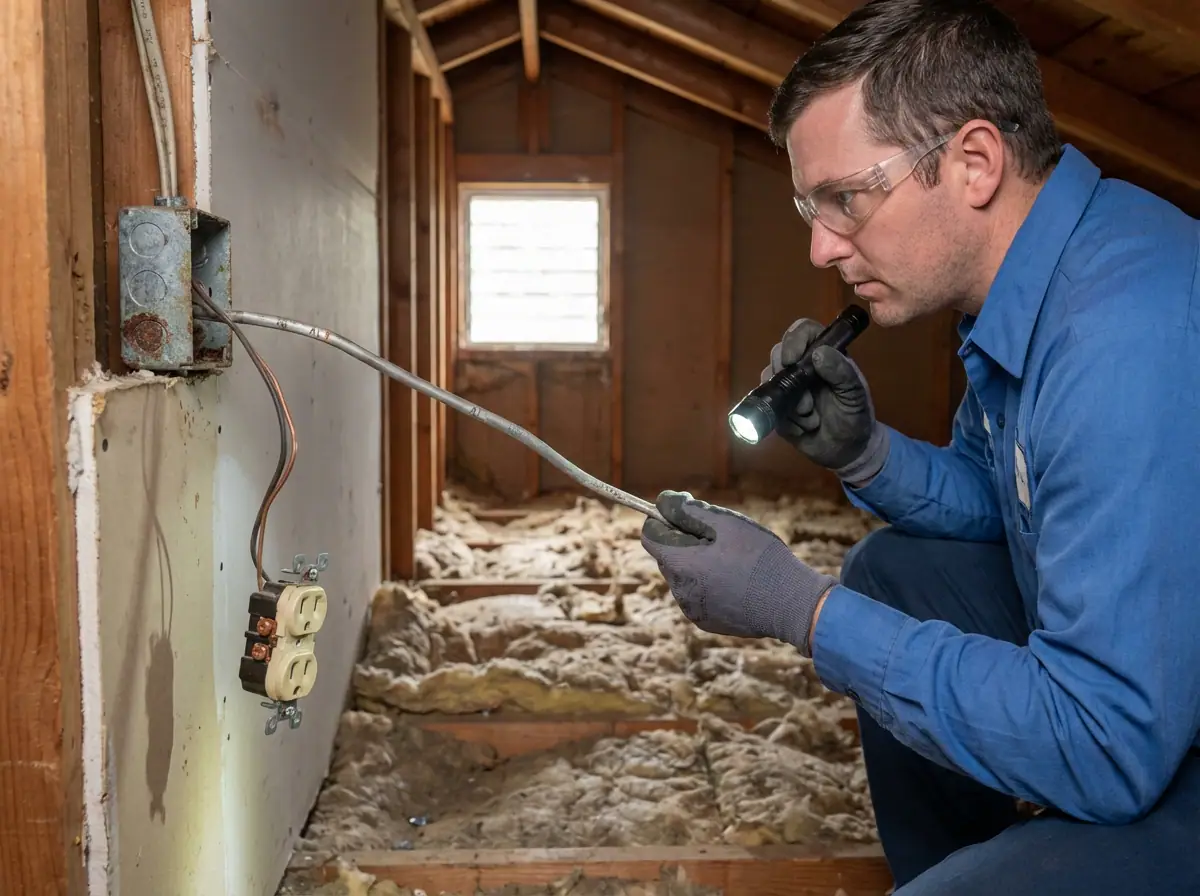
Look at the outer sheathing of visible cables in the attic, basement or at the electrical panel. Aluminum cable is marked "AL," "ALUM" or "ALUMINUM" on the jacket. The jacket is often gray or silver, but color alone is not a definitive identifier. You may also see "AL/CU," which indicates the wire was approved for use with both aluminum and copper-rated devices.
Look at the Wire Itself
Aluminum wire has a dull gray appearance; copper is reddish-orange or brownish. You can see this where wires enter the breakers in the panel, or at an outlet or switch with the power off and the cover plate removed. Both require real caution. If you are not confident working safely around electrical components, leave opening the panel or devices to a licensed electrician.
Check Building Records
Original building permits or electrical inspection records from when the home was built may state what type of wiring was installed.
Get a Professional Inspection
The most reliable way to confirm aluminum wiring is an electrical safety inspection by a licensed electrician, who can also assess the condition of the connections, find hidden hazards and recommend the right remediation for your situation.
Warning Signs of Aluminum Wiring Problems
Whether or not you know your home has aluminum wiring, these signs point to connection problems that need prompt professional evaluation:
- Warm or hot outlets, switches or cover plates: heat buildup from poor connections and dangerous resistance.
- Flickering or dimming lights, especially when appliances cycle on and off: loose or corroded connections.
- Burning smell or the scent of hot plastic near outlets or switches.
- Brown or black discoloration around outlets and switches: arcing or overheating.
- Sparking when plugging in devices or flipping switches. Visible sparking is never normal.
- Dead or intermittent outlets and switches: connection failure.
- Frequent breaker trips: many things cause them, but aluminum wiring problems are a common culprit in older homes.
- Static on radio or TV: interference can sometimes indicate arcing at poor connections.
- A tingle or slight shock when touching metal fixtures or appliances: grounding problems related to deteriorated connections.
These symptoms often come before serious electrical failures or fires. Our faulty wiring diagnosis and repair service addresses them quickly and safely.
Solutions for Aluminum Wiring
The right option depends on your budget, how much aluminum wiring the home has and your long-term plans for the property.
Complete Rewiring (Most Effective)
Replacing all aluminum branch circuit wiring with copper eliminates the problem entirely. It involves:
- Removing the old aluminum wiring throughout the home
- Installing new copper wiring to all outlets, switches and fixtures
- Bringing the electrical system up to current code
- Often adding outlets or improving their placement for modern needs
It is the most expensive option, but it is often the best choice if you are planning major renovations or a remodel that opens walls, if the home has widespread electrical issues, or if you plan to stay long-term. It adds value and can reduce insurance costs.
COPALUM Crimp Connections (Highly Effective)
A short copper pigtail is attached to the aluminum wire at every connection point with a special crimping system that creates a permanent, low-resistance, cold-weld connection. The copper pigtail then connects to outlets, switches and fixtures in the standard way. It is considered the most reliable repair short of rewiring and is recognized by the Consumer Product Safety Commission as a permanent, effective repair. It requires specialized tools and training, so not every electrician offers it, and it is labor-intensive and can be costly, though typically less expensive than complete rewiring.
AlumiConn Connectors (Effective Alternative)
AlumiConn connectors are UL-listed connectors designed to join aluminum wire safely to copper pigtails. They contain an oxide-inhibiting compound and are installed at every switch, outlet and junction box; standard connections are then made at the devices. They do not need specialized crimping tools, so they are more accessible and generally less expensive than COPALUM while still addressing the core safety issues.
CO/ALR Devices and Proper Connections (Basic Improvement)
Outlets and switches marked "CO/ALR" (Copper/Aluminum Revised) are designed for aluminum wire. This approach also requires proper connection technique:
- Applying anti-oxidant compound to the aluminum wire before connecting
- Tightening terminal screws to the proper torque
- Stripping wires without nicking the conductor
- Wrapping the wire the correct direction around the screw
It does not reach junction boxes or other hidden connection points and does not fix the underlying issues, so it should be treated as a temporary or minimal improvement. Connections still need regular inspection and maintenance, and most electrical safety experts recommend a more thorough approach, especially where the wiring has been in place for decades.
Partial Rewiring of Critical Circuits
On a budget, you can rewire the highest-risk circuits first and spread the cost of full rewiring over time:
- Kitchen and laundry circuits that carry heavy loads
- Bedroom circuits, for fire safety while you sleep
- Circuits serving home office equipment or medical devices
- Any circuit showing signs of deterioration
Insurance and Selling Your Home
Some insurers refuse coverage for homes with aluminum wiring, others charge significantly higher premiums, and some require proof of professional remediation before issuing a policy. When you sell, aluminum wiring will likely come up in the buyer's inspection; buyers may ask for remediation as a condition of sale or use it to negotiate the price down. Dealing with it proactively avoids surprises and can improve your home's marketability.
After any remediation, ask your electrician for documentation that becomes part of your home's permanent record:
- A written description of the work performed
- Photos of connections before and after repair
- Certification that the work meets current electrical codes
- A list of the methods and materials used
We provide thorough documentation for all our electrical work, including aluminum wiring remediation.
Why Aluminum Wiring Is Not a DIY Job
An improper repair can leave things more dangerous than before, by creating new connection problems or missing hidden hazards.
- Specialized knowledge: aluminum behaves differently from copper, and remediation takes specific training and experience.
- Proper materials: anti-oxidant compounds, CO/ALR devices, AlumiConn connectors and COPALUM crimping equipment are not typically sold at local hardware stores, and choosing the right one takes a professional assessment.
- Code compliance: work must meet the National Electrical Code and local rules, which protects you legally and lets it pass inspection during renovations or a sale.
- A full assessment: an electrician finds hidden problems in attics, crawl spaces and behind walls before they become emergencies.
- Safety: licensed electricians have the training and tools to work safely and follow proper lockout/tagout procedures.
Frequently Asked Questions
How do I know if my house has aluminum wiring?
Check the build date (1965 to 1978 is the peak period), look for "AL," "ALUM" or "ALUMINUM" on visible cable jackets, and note whether wires at the panel are dull gray rather than reddish-orange. A licensed electrician's inspection is the most reliable confirmation.
Is aluminum wiring dangerous?
Its connections loosen, oxidize and corrode over time, creating heat. Homes with aluminum branch circuit wiring are 55 times more likely to have fire hazard conditions at connections than copper-wired homes, according to Consumer Product Safety Commission research.
Was aluminum wiring ever banned?
No. It was approved and met code when installed and was never officially banned, but copper is now the residential standard.
What is the best fix for aluminum wiring?
Complete rewiring with copper is the most effective. COPALUM crimping is the most reliable repair short of rewiring, and AlumiConn connectors are an effective, lower-cost alternative. CO/ALR devices alone are only a basic improvement.
Will aluminum wiring affect my home insurance?
It can. Some insurers decline coverage, charge higher premiums or require proof of remediation. Documentation of professional repairs helps with both insurance and resale.
Revamped Electric is a veteran-owned electrician in Granbury serving Tolar, Stephenville, Aledo, Weatherford, Benbrook, Mineral Wells, Hudson Oaks, West Fort Worth and communities across Hood, Parker, Johnson and Somervell counties. If you are concerned about aluminum wiring, call us at 817-677-0036 to schedule an inspection or request a quote.