

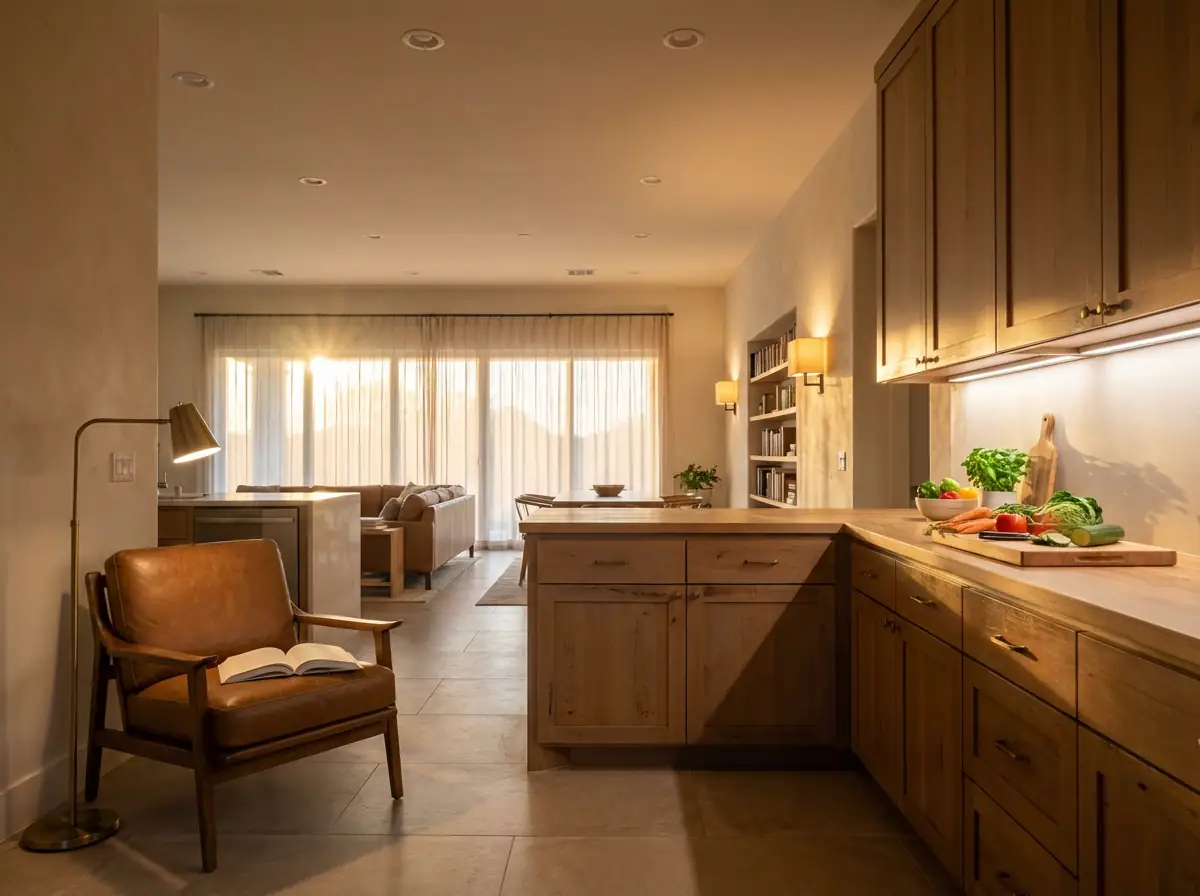
Walk into any beautifully designed home in Granbury, and you’ll notice something immediately: the lighting feels just right. It’s not too harsh, not too dim, and every room seems to have the perfect ambiance. What most homeowners don’t realize is that great lighting isn’t accidental. It’s the result of careful electrical planning that combines function, aesthetics, and energy efficiency.
Whether you’re building a new home, planning a remodel, or simply frustrated with your current lighting situation, understanding how to design a proper lighting layout can transform your living space. Poor lighting doesn’t just strain your eyes; it affects your mood, your energy bills, and even the resale value of your home. The good news? With the right electrical planning, you can create a lighting system that enhances every aspect of your daily life while keeping costs manageable.
In this comprehensive guide, we’ll walk you through the essential elements of home lighting design, from understanding the three layers of lighting to calculating how many circuits you’ll need. You’ll learn how to avoid common mistakes that leave rooms too dark or create glaring hotspots, and discover which modern lighting technologies offer the best return on investment for Granbury homeowners.
Understanding the Three Essential Layers of Home Lighting
Professional lighting designers use a layered approach that combines three distinct types of lighting. When you understand how these layers work together, you can create a balanced, functional space that adapts to different needs throughout the day.
Ambient Lighting: Your Foundation Layer
Ambient lighting provides the general illumination for a room. This is your baseline layer that allows you to safely navigate the space and perform everyday tasks. Common ambient lighting sources include ceiling-mounted fixtures, recessed lighting, chandeliers, and track lighting systems.
For most Granbury homes, ambient lighting should provide even, shadow-free illumination without creating glare. A common mistake is relying solely on a single ceiling fixture in the center of the room. This creates harsh shadows and doesn’t distribute light evenly. Instead, consider multiple recessed lights on dimmer switches or a combination of ceiling fixtures strategically placed to eliminate dark corners.
When planning the electrical layout for ambient lighting, think about switch placement carefully. You should be able to control the main lights from every entrance to the room. For larger spaces or open floor plans common in newer Granbury construction, three-way or four-way switches let you control lighting from multiple locations.
Task Lighting: Focused Illumination Where You Need It
Task lighting provides concentrated light for specific activities like reading, cooking, working, or applying makeup. This layer is critical for functionality and often requires dedicated circuits or outlets depending on the fixtures you choose.
In kitchens, under-cabinet lighting illuminates countertops for food prep. In home offices, desk lamps prevent eye strain during computer work. Bathroom vanity lights positioned at eye level eliminate shadows on your face. Reading nooks benefit from adjustable floor lamps or wall-mounted swing-arm fixtures.
The electrical planning for task lighting differs from ambient lighting because these fixtures often need to be positioned in specific locations based on furniture placement or work zones. If you’re planning a remodel, think carefully about where you’ll actually perform tasks in each room. Adding new outlets or dedicated circuits now is far easier than trying to retrofit them later when walls are closed up.
Accent Lighting: Adding Drama and Visual Interest
Accent lighting highlights architectural features, artwork, or creates visual depth in your space. This layer isn’t essential for function, but it’s what transforms a house into a home with character and personality.
Popular accent lighting options include picture lights, wall sconces, cove lighting, toe-kick lighting in kitchens, and landscape lighting that creates curb appeal. LED strip lights have made accent lighting more accessible and energy-efficient than ever before.
When incorporating accent lighting into your electrical plan, consider using separate switches or smart controls so you can adjust the mood independently from your functional lighting. Many Granbury homeowners enjoy having their accent lighting on dimmer switches or connected to smart home systems that allow scheduling and remote control.
Calculating Your Lighting Needs: How Much is Enough?
One of the most common questions homeowners ask is: “How much lighting do I actually need?” Too little leaves rooms feeling dim and unwelcoming. Too much creates glare and wastes energy. The answer depends on the room’s purpose, size, and your personal preferences.
The Lumens Formula for Room Brightness
Forget the old method of choosing lights based on wattage. Modern LED technology has made wattage irrelevant for brightness. Instead, focus on lumens, which measure the actual light output.
Here’s a simple formula: multiply your room’s square footage by the recommended foot-candle level for that space. For living rooms and bedrooms, aim for 10-20 lumens per square foot. Kitchens and bathrooms need 70-80 lumens per square foot due to task requirements. Home offices should have 50-60 lumens per square foot to prevent eye strain.
For example, a 200-square-foot living room needs approximately 2,000-4,000 lumens of total ambient lighting. You might achieve this with four recessed lights rated at 800 lumens each, plus additional task and accent lighting as needed.
Spacing Recessed Lights Properly
Recessed lighting remains one of the most popular choices for Granbury homes because it provides clean, modern illumination without taking up visual space. However, improper spacing creates dark spots or overlapping bright zones that look amateurish.
The general rule: divide your ceiling height by two to determine spacing. For standard 8-foot ceilings, place recessed lights 4 feet apart. For 10-foot ceilings, space them 5 feet apart. Position lights 2-3 feet from walls to avoid creating shadows on vertical surfaces.
During lighting installation, professional electricians will also consider beam angle. Narrow beam angles (less than 40 degrees) create focused pools of light suitable for accent lighting. Wide beam angles (60 degrees or more) provide better general illumination and require fewer fixtures.
Electrical Circuit Requirements for Modern Lighting Systems
Your lighting design is only as good as the electrical infrastructure supporting it. Understanding circuit requirements helps you plan a system that’s safe, code-compliant, and capable of supporting both current needs and future upgrades.
When You Need Dedicated Lighting Circuits
Most standard lighting can share circuits with outlets, but certain situations require dedicated circuits. If you’re installing a large chandelier, extensive track lighting systems, or comprehensive landscape lighting, the combined load may exceed what a shared circuit can handle.
Smart lighting systems that include transformers or control panels often perform better on dedicated circuits, reducing the risk of interference from other devices. If you experience lights dimming when appliances turn on, you likely have an overloaded circuit that needs to be separated.
Texas electrical code requires GFCI protection for certain lighting locations, including bathrooms, outdoor areas, and garages. During installation, licensed electricians ensure your lighting circuits meet all current code requirements. For more information on circuit installation options, professional assessment helps determine the best approach for your specific layout.
Planning for Dimmer Switches and Smart Controls
Dimmer switches aren’t just about setting the mood. They extend bulb life, reduce energy consumption, and give you precise control over lighting levels throughout the day. However, not all lights are dimmable, and not all dimmers work with every bulb type.
LED bulbs require specific LED-compatible dimmers. Using an old incandescent dimmer with LED bulbs causes flickering, buzzing, or limited dimming range. When planning your electrical layout, specify which circuits will have dimmer controls so electricians can install compatible wiring and switch boxes.
Smart lighting controls add another layer of convenience and energy savings. Systems like Lutron, Leviton, or integrated smart home platforms let you schedule lights, control them remotely, and create scenes that adjust multiple lights with a single command. These systems typically require neutral wires at switch locations, which older homes may lack. If you’re considering smart controls, discuss wiring requirements during the planning phase to avoid surprises during installation.
Energy-Efficient Lighting Technology That Actually Saves Money
Lighting accounts for approximately 15% of a typical home’s electricity use. Choosing energy-efficient technology reduces this consumption significantly, putting money back in your pocket every month while reducing your environmental impact.
LED Lighting: The Clear Winner for Granbury Homes
LED technology has matured to the point where there’s virtually no reason to use incandescent or even CFL bulbs anymore. LEDs use 75% less energy than incandescent bulbs and last 25 times longer. For a fixture you use 3 hours daily, a quality LED bulb lasts over 20 years.
The initial cost of LED fixtures runs higher than traditional options, but the payback period is typically 1-2 years through energy savings. After that, you’re getting free money every month. A home that switches 20 bulbs from incandescent to LED saves approximately $200 annually on electricity costs.
When selecting LED fixtures, pay attention to color temperature measured in Kelvin. For living spaces, 2700K-3000K provides warm, inviting light similar to incandescent bulbs. Kitchens and bathrooms often benefit from 3500K-4100K for clearer, more energizing light. Work areas like garages or workshops might use 5000K+ for bright, daylight-quality illumination.
Motion Sensors and Timers: Automate Your Savings
Even the most energy-efficient bulbs waste electricity when left on in empty rooms. Motion sensors and timers eliminate this waste automatically without requiring you to change habits.
Closets, laundry rooms, garages, and outdoor areas are perfect candidates for motion-activated lighting. You get instant illumination when entering the space, and lights turn off automatically after a preset period of no activity. Many Granbury homeowners are surprised by how much this reduces electricity use in spaces they routinely forget to turn off.
Outdoor lighting benefits from both timers and photocells that turn lights on at dusk and off at dawn. This provides security lighting when needed without burning electricity all day. Smart outdoor controls go further, allowing you to adjust schedules seasonally or turn lights on remotely when you’re away from home.
Common Lighting Design Mistakes to Avoid
Even with good intentions, homeowners often make predictable mistakes during lighting planning that create problems down the road. Avoiding these pitfalls saves money, frustration, and the need for costly corrections later.
Installing Fixtures Before Planning Furniture Layout
Recessed lights installed on a perfect grid pattern look great in an empty room but may not align with your actual furniture placement. That centered dining room fixture looks off-center once you position the table where it actually fits best.
Before finalizing electrical plans, sketch your furniture layout. Identify where you’ll actually sit, work, and perform tasks. Position lights to illuminate these real-world use cases rather than just creating visual symmetry in an empty room.
Neglecting Natural Light in Your Planning
Granbury homes benefit from abundant Texas sunshine, yet many lighting plans ignore how natural light changes throughout the day. Rooms with south-facing windows flood with light during afternoon hours but may be dim in the morning.
Design your electrical lighting to complement natural light patterns. Layered lighting with independent controls lets you use minimal artificial light when sunshine is abundant and supplement as needed during overcast days or evening hours. This approach maximizes energy savings while maintaining consistent comfort.
Forgetting About Bulb Replacement Accessibility
That stunning chandelier with 12 bulbs looks beautiful in the two-story entryway, but how will you change bulbs without scaffolding? Recessed lights in cathedral ceilings create the same accessibility challenge.
When planning lighting for hard-to-reach locations, choose LED fixtures with the longest rated lifespan or consider fixtures where entire integrated LED modules last decades rather than using replaceable bulbs. This simple planning decision prevents future headaches and dangerous ladder climbing.
Creating Your Custom Lighting Plan: Next Steps
Armed with this knowledge, you’re ready to create a lighting design that transforms your Granbury home. Start by walking through each room and identifying what works and what doesn’t in your current setup. Take notes on dark corners, glaring fixtures, and spaces that just don’t feel right.
Sketch a basic floor plan showing furniture placement and mark where you perform specific tasks. Identify which areas need bright, functional light and which would benefit from softer, ambient illumination. Consider how each room is used at different times of day and whether dimming controls or multiple switching locations would improve functionality.
For new construction or major remodels, professional lighting design ensures you get everything right the first time. Electricians experienced in residential lighting can suggest fixture types, calculate circuit requirements, and identify potential issues before walls are closed up. This planning phase investment prevents expensive corrections later and ensures your finished space looks and functions exactly as you envisioned.
If you’re working with an existing home, prioritize improvements that deliver the biggest impact. Often, simply adding dimmer switches, replacing outdated fixtures with LEDs, or installing under-cabinet lighting in the kitchen dramatically improves both function and ambiance without requiring extensive rewiring.
Remember that lighting design doesn’t have to happen all at once. Many homeowners take a phased approach, tackling one room at a time or starting with the spaces they use most. This spreads costs over time while letting you live with changes before committing to similar upgrades throughout the home.
Great home lighting creates comfort, safety, and beauty while reducing energy costs. Whether you’re planning new construction, updating an older Granbury home, or simply frustrated with inadequate lighting, the investment in proper electrical planning pays dividends every time you flip a switch. Ready to brighten up your home with a professionally designed lighting system? Contact Revamped Electric to discuss your lighting goals and get expert recommendations tailored to your specific space and budget. Our team brings the electrical expertise to turn your lighting vision into reality with quality installation that meets all code requirements and stands the test of time.