

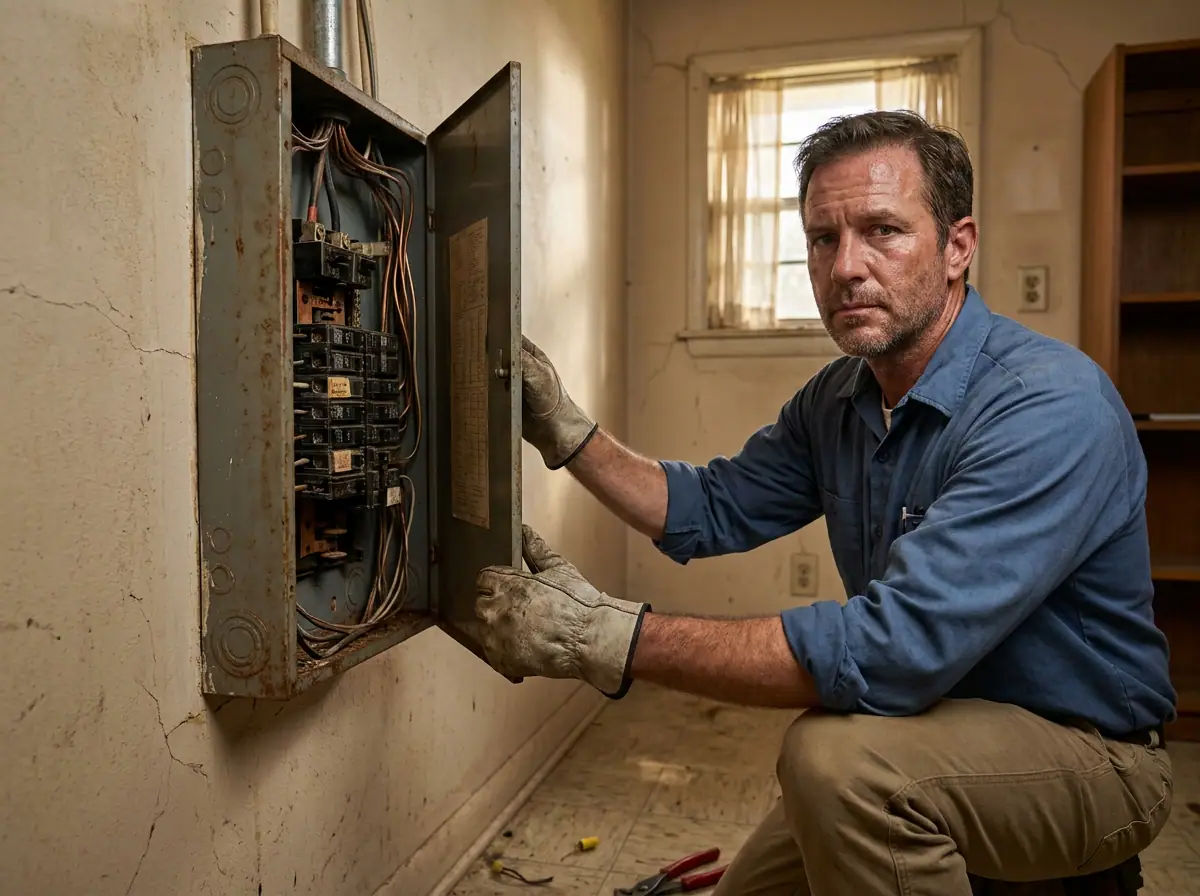
Most homeowners in Granbury do not think about their electrical system until something goes wrong. A breaker trips, an outlet stops working, or the lights start flickering and suddenly the wiring behind the walls becomes a top priority. But waiting for a problem to show up before calling an electrician is a little like waiting until your car breaks down to get an oil change. A proactive home electrical inspection can catch issues before they turn into hazards, save you money on emergency repairs, and give you real peace of mind about the safety of your home and family.
Whether you have lived in your Granbury home for decades or you are just moving in, understanding what a residential electrical inspection covers and when to schedule one is one of the smartest things you can do as a homeowner. Here is what you need to know.
What Is a Residential Electrical Inspection?
A residential electrical inspection is a thorough assessment of your home’s entire electrical system conducted by a licensed electrician. Unlike a general home inspection that touches briefly on dozens of systems, a dedicated electrical inspection goes deep. A qualified electrician will evaluate your wiring, panel, outlets, circuits, grounding, and more to determine whether everything is up to code, functioning safely, and capable of handling your household’s current and future electrical demands.
This is not just a visual walkthrough. A proper electrical inspection involves testing, measuring, and physically examining components that are often hidden from plain sight. The goal is to identify anything that poses a safety risk, anything that fails to meet current electrical code, and anything that may cause problems down the road if left unaddressed.
What Does a Home Electrical Inspection Cover?
A thorough residential electrical inspection in Granbury typically covers the following areas:
Electrical Panel and Breaker Box
Your electrical panel is the heart of your home’s electrical system. During an inspection, the electrician will check for signs of overheating, corrosion, or improper wiring inside the panel. They will also look for double-tapped breakers, which occur when two wires share a single breaker slot that is only rated for one, and they will evaluate whether the panel has adequate capacity for your home’s current load. Older panels with known issues, like Federal Pacific or Zinsco brands, may be flagged for replacement. If you are wondering whether your panel is keeping up with your home’s demands, our team covers this topic in depth in our guide on panel changes and upgrades.
Wiring and Grounding
The electrician will inspect visible wiring for signs of damage, improper connections, or outdated materials. Homes built before the 1970s sometimes contain aluminum branch circuit wiring or knob-and-tube wiring, both of which present elevated fire risks and require special attention. Grounding is also evaluated because a properly grounded system protects your home and your electronics from dangerous voltage surges.
Outlets and Switches
Every outlet and switch in your home will be tested or visually assessed. The electrician will look for outlets that are warm to the touch, loose, cracked, or ungrounded. Areas like kitchens, bathrooms, garages, and outdoor spaces are checked specifically for GFCI (Ground Fault Circuit Interrupter) protection, which is required by code in wet or damp locations. AFCI (Arc Fault Circuit Interrupter) protection requirements in sleeping areas and other spaces will also be noted.
Circuits and Load Distribution
Overloaded circuits are one of the most common and dangerous electrical problems in residential homes. During the inspection, the electrician will assess whether your circuits are appropriately sized for what they are powering. High-draw appliances like refrigerators, HVAC systems, electric ranges, and EV chargers typically require dedicated circuits. If those appliances are sharing circuits with other loads, it can lead to frequent breaker trips, overheating, and potential fire risk.
Lighting and Fixtures
Improperly installed light fixtures, missing junction box covers, and exposed wiring connections in ceiling fixtures are all things a licensed electrician will flag during an inspection. This is also a good time to evaluate whether your lighting setup is meeting the needs of your household or whether upgrades like recessed lighting or dedicated exterior fixtures would add both function and value to your home.
Smoke Detectors and Safety Devices
While smoke detectors are not strictly part of the electrical panel or wiring system, hardwired smoke and carbon monoxide detectors fall within the scope of an electrical inspection. An electrician can confirm that your detectors are properly connected, functioning, and placed according to current safety guidelines.
When Should Granbury Homeowners Schedule an Electrical Inspection?
There is no single rule that tells you exactly when to call for an inspection, but there are clear situations where scheduling one is the right move.
Before Buying or Selling a Home
If you are purchasing a home in Granbury, a general home inspection is standard practice, but it rarely goes deep enough on the electrical system. Bringing in a licensed electrician for a dedicated inspection before you close can reveal costly problems that a general inspector might miss. On the selling side, knowing the condition of your electrical system ahead of time allows you to address issues on your own terms rather than negotiating under pressure during escrow.
If Your Home Is More Than 25 to 30 Years Old
Older homes were designed for a fraction of the electrical load that modern households demand. If your home was built in the 1990s or earlier and has never had a full electrical inspection, now is a smart time to schedule one. This is especially relevant in Granbury and Hood County, where many neighborhoods feature homes built across a wide range of decades. Our team has worked extensively on common electrical problems found in older Granbury homes, and the patterns we see regularly underscore how much can go unnoticed for years.
After a Major Weather Event
North Texas is no stranger to severe weather. High winds, lightning strikes, and flooding can all cause damage to your home’s electrical system that is not immediately visible. After any significant storm, having an electrician assess your system is a sensible precaution before assuming everything is fine.
When You Notice Warning Signs
Some homeowners put off calling an electrician because they assume the issue is minor. But certain signs should always prompt a call for professional evaluation. These include:
- Breakers that trip repeatedly or frequently
- Outlets or switches that are warm, discolored, or spark when you plug something in
- Flickering or dimming lights throughout the home
- A burning smell coming from outlets, walls, or the panel
- A buzzing or humming sound near your electrical panel
- Sections of the home with no power or intermittent power
Any one of these symptoms can point to a serious underlying issue. If you are experiencing any of them, do not wait for a scheduled inspection. Reach out to a licensed electrician as soon as possible. You can also learn more about what these symptoms mean by visiting our faulty wiring service page.
Before a Major Remodel or Addition
If you are planning a kitchen renovation, adding a home office, finishing a garage, or building a guest house on your property, a pre-project electrical inspection gives your electrician a clear picture of what the existing system can support and what upgrades will be needed to bring the new space up to code safely.
What Happens After the Inspection?
Once the inspection is complete, your electrician will walk you through their findings. Some issues may be minor and inexpensive to address, like replacing a faulty outlet or adding a missing cover plate. Others may be more involved, like upgrading a panel, rewiring a portion of the home, or installing GFCI protection throughout the kitchen and bathrooms.
The important thing to understand is that not every finding requires immediate action. A good electrician will help you prioritize based on safety, code compliance, and budget. Safety hazards come first. Code violations that affect your ability to sell the home or obtain permits for future work come next. Improvements that add convenience or capacity can be planned out over time.
At Revamped Electric, we believe in transparent communication throughout this process. We explain what we find, why it matters, and what your options are, without pushing you toward unnecessary work. That commitment to honesty is part of how we operate, and it is rooted in the values that guide everything our team does.
How to Choose the Right Electrician for a Home Inspection in Granbury
Not all electrical contractors approach inspections the same way. When choosing an electrician to inspect your home, look for someone who is licensed and insured in the state of Texas, has hands-on experience with residential electrical systems in your area, and takes the time to actually explain what they find rather than just handing you a checklist.
Local experience matters more than people often realize. An electrician who regularly works in Granbury and Hood County will be familiar with the types of homes common in the area, the local inspection requirements, and the kinds of issues that show up most often in homes of different eras and construction styles.
Revamped Electric is veteran-owned and locally rooted. Austin Barrett and Nicholas Torres bring real-world experience in both residential and commercial electrical work, and they approach every job with the kind of care and attention you would want for your own home. From the moment you reach out for a quote to the moment the job is done, you can expect honest answers, quality work, and fair pricing.
If it has been a while since anyone has looked closely at your home’s electrical system, or if you have never had a dedicated electrical inspection at all, now is a great time to change that. Contact Revamped Electric today to schedule your home electrical inspection in Granbury, TX, and find out exactly where your system stands.