
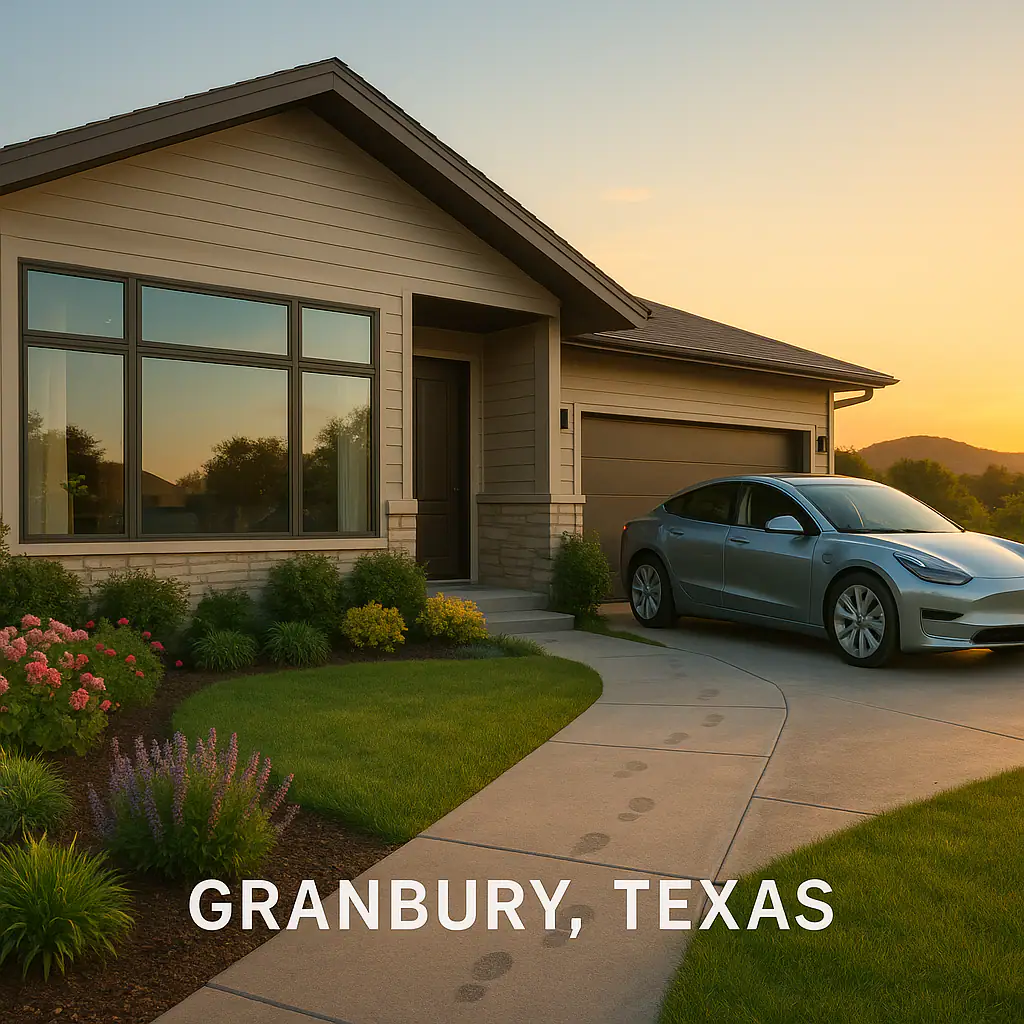
More homeowners around Granbury and Hood County are switching to electric vehicles. If youre planning to install a Level 2 EV charger at home, theres more to consider than just buying a unit: your electrical service, panel capacity, and local permitting all matter. This guide walks you through what to expect, how to prepare, and practical next steps tailored to the Granbury area so your EV charging installation is safe, code-compliant, and cost-efficient.
Why planning matters: safety, reliability, and future-proofing
Installing an EV charger pulls significant continuous power from your home. Doing it without assessing your electrical system can lead to nuisance breaker trips, unsafe wiring conditions, and the need for an expensive emergency upgrade later. A little planning up front helps you avoid interruptions, keeps your family safe, and increases the resale value of your home.
1. Start with a home electrical assessment
Before any work begins, schedule a licensed electrician to perform a site assessment. Key items an electrician will check:
- Service size (amp rating) and available capacity at your main panel
- Condition of your electrical panel and whether theres room for new breakers
- Distance from panel to the proposed charger location and any conduit/trenching needs
- Existing subpanels, meter type, and any meter-base limitations
- General condition of wiring and grounding for safety and code compliance
This assessment determines whether the job is a simple circuit install or if you need a panel upgrade or service increase.
Red flags that mean you likely need a panel upgrade
- Old fuse boxes or 60A main service: common in older homes and often insufficient for EV charging
- Frequent breaker trips, buzzing, or overheating at the breaker panel
- No spare circuit space and no room for a dedicated 240V breaker
2. Decide between Level 1 and Level 2 charging
Most homeowners choose Level 2 (240V) chargers for daily convenience. Comparison:
- Level 1 (120V): Uses a standard outlet. Slow charging (3-5 miles/hour). Usually no panel upgrades required, but not ideal as a primary home charging solution.
- Level 2 (240V): Faster charging (20-60 miles/hour depending on charger and vehicle). Requires a dedicated 240V circuit sized to the chargers amperage and often a dedicated breaker.
Most Level 2 chargers need a 30Ato150A circuit depending on charging speed. Your electrician will determine the proper circuit size and handle the installation or recommend a panel change if needed. See our circuit installation services for typical EV-ready setups.
3. Permits, inspection, and HOA rules in Granbury
In Hood County and surrounding municipalities, a permit and inspection are commonly required for an EV charger installation, especially for new 240V circuits or panel work. Steps:
- Obtain a permit from your city or county building department (your electrician can usually pull the permit).
- Complete installation per the National Electrical Code (NEC) and local amendments.
- Schedule and pass the electrical inspection before energizing the charger.
If you live in a neighborhood with a homeowners association, confirm any architectural or placement rules. We recommend letting your electrician manage permitting and inspection scheduling to streamline the process.
4. Typical installation steps and realistic timelines
Heres a common timeline for a straightforward Level 2 installation:
- Initial site assessment and quote: 13 days
- Permit application and approval: 314 days (varies by jurisdiction)
- Installation (wiring, breaker, charger mounting): usually 1 day for a simple job; up to 2-3 days if trenching, concrete drilling, or a panel upgrade is needed
- Inspection and final sign-off: 17 days depending on inspector availability
We recommend planning for 23 weeks from assessment to final inspection for most residential installs. If a panel upgrade is required, add 12 weeks to that estimate.
5. Budgeting and cost ranges (what to expect)
Costs vary widely by home condition and charger selection. Typical ranges:
- Dedicated 240V circuit installation (no panel work): $600$2,000
- Level 2 charger unit: $400$1,200 (depending on brand and features)
- Panel upgrade or service increase (if needed): $1,200$4,500+
- Trenching, conduit, or long wire runs: $300$1,200 additional
These are general estimates. A licensed electrician will provide a written quote after the site visit. We always recommend budgeting a contingency for unexpected findings during install, especially in older homes.
6. Practical preparation checklist for homeowners
- Identify where you want the charger installed (garage, driveway, carport) and how your vehicle will park relative to the charger.
- Locate your main electrical panel and note the service amperage (100A, 200A, etc.) if known.
- Gather HOA rules or neighborhood covenants that may affect exterior hardware.
- Decide on a charger type (hardwired vs. plug-in) and whether you want smart features such as scheduling or load management.
- Schedule a licensed electrician for a site assessment and written quote. Ask about utility rebates or incentives, your electrician can often help identify local programs.
7. After installation: safety and convenience tips
- Have the electrician install a dedicated surge protector for sensitive EV electronics.
- Use weather-rated enclosures and GFCI protection where required for outdoor installs.
- Consider a smart charger that supports load management and off-peak scheduling to save on electricity costs.
- Keep the chargers cord organized and off the pavement when not in use to extend its life.
Why work with a local, veteran-owned contractor?
Local electricians know Hood County and Granbury permitting and can provide one-on-one support from assessment through inspection. As a veteran-owned company, we pride ourselves on punctuality, honesty, and code-first workmanship. If youre ready to get a clear quote, we offer streamlined scheduling and SMS appointment reminders to keep the process simple.
Conclusion
Installing an EV charger at home is a smart, future-focused upgrade, but its important to do the prep work right. A professional assessment, the correct circuit and breaker sizing, proper permitting, and a qualified installation make the difference between a reliable charging setup and recurring electrical headaches. Planning ahead saves money, increases safety, and gives you the convenience of charging at home every day.
If youre in the Granbury or Hood County area and want help determining next steps, start with a site assessment. We handle everything from circuit installation to panel upgrades, permits, and inspections.
Ready to get a quote? Visit our Contact page to request a site visit and include the location youre considering for the charger. Well follow up fast with transparent pricing and scheduling options. Charge confidently at homewere here to help.