
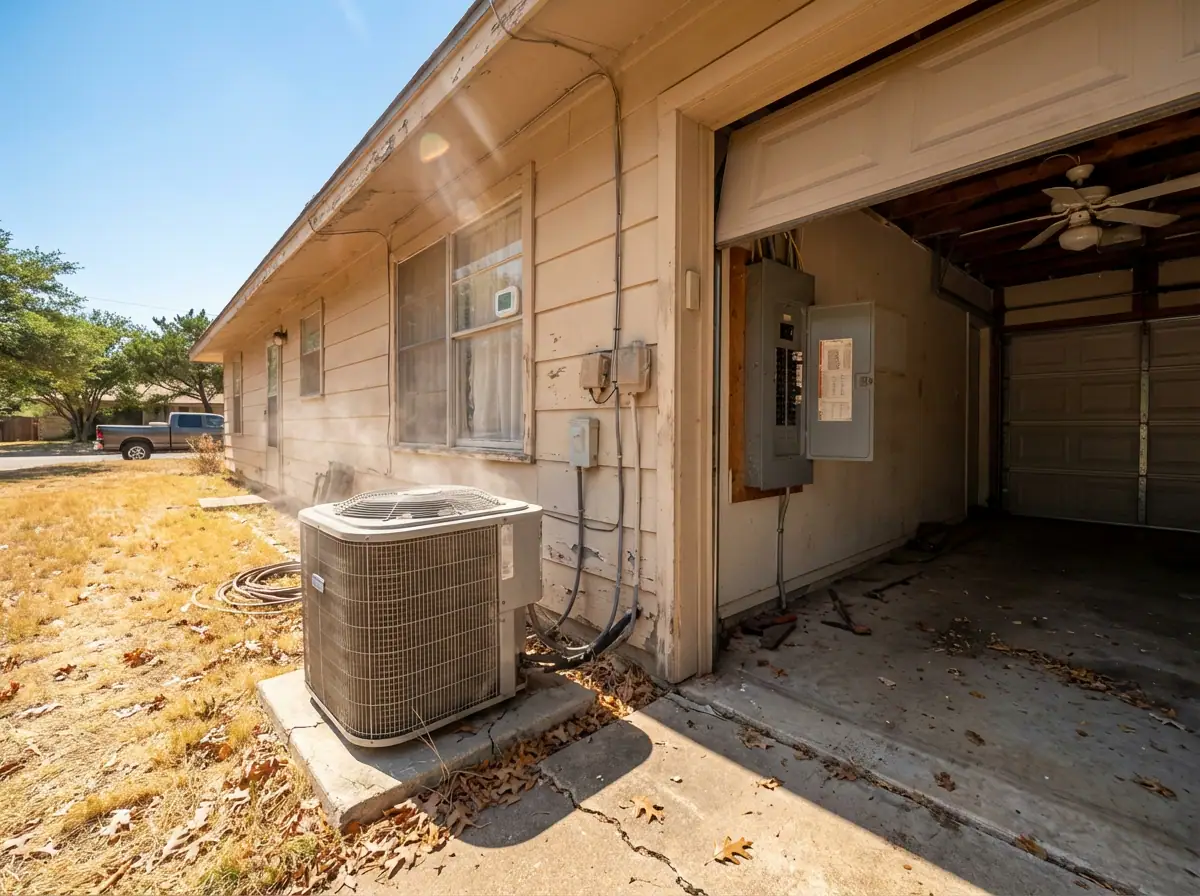
When Texas summer heat arrives, your home’s electrical system faces its biggest challenge of the year. Air conditioners run overtime, ceiling fans spin constantly, and refrigerators work harder to keep food cold. For homeowners in Granbury and Hood County, this seasonal surge in electrical demand can expose hidden weaknesses in your home’s wiring, circuits, and electrical panel.
If you’ve ever experienced breakers tripping on hot afternoons, noticed your AC struggling to keep up, or opened your summer electric bill with sticker shock, your electrical system might be telling you it’s not equipped to handle the load. The good news? With proper planning and strategic upgrades, you can keep your home cool, safe, and energy-efficient all summer long without breaking the bank.
In this guide, we’ll walk you through the most common electrical challenges Texas homeowners face during peak cooling season, warning signs that your system is struggling, and practical solutions to improve performance, safety, and efficiency. Whether you’re in an older home or a newer build, understanding how summer heat impacts your electrical infrastructure can save you from costly repairs, dangerous situations, and sky-high utility bills.
Why Summer Puts Maximum Stress on Your Home’s Electrical System
Your electrical panel and circuits are designed to handle a certain amount of load, measured in amps. During mild weather, your home typically operates well below capacity. But when temperatures climb into the 90s and beyond (which happens frequently in Granbury), everything changes.
Central air conditioning systems are the single largest electrical draw in most homes, often requiring 15 to 60 amps depending on the unit’s size and efficiency. When your AC cycles on, it creates an initial surge that’s even higher than its running amperage. Add window units in bonus rooms, multiple refrigerators or freezers, pool pumps, outdoor lighting, and all your normal household electronics, and you can quickly approach or exceed your panel’s capacity.
Older homes built before modern cooling demands became standard often have 100-amp or even 60-amp panels. These were adequate when homes had smaller AC units, fewer appliances, and less electronic equipment. Today’s typical home operates more efficiently with a 200-amp service, especially when running high-efficiency HVAC systems, electric vehicle chargers, or multiple cooling zones.
The problem compounds in neighborhoods where everyone’s AC kicks on simultaneously during the hottest part of the afternoon. This creates sustained high demand that doesn’t allow your system any recovery time. Circuits running at or near capacity for extended periods generate excess heat, which can degrade wiring insulation, loosen connections, and create fire hazards over time.
Warning Signs Your Electrical System Is Struggling With Cooling Demands
Your home will usually give you clear signals when the electrical system can’t keep up with summer demands. Recognizing these warning signs early can prevent dangerous situations and expensive emergency repairs.
Frequent Breaker Trips During Peak Hours
If your breakers trip repeatedly when the AC is running, especially during hot afternoons, it’s a sign that circuits are overloaded. While breaker trips are designed to protect your home by shutting off power when demand exceeds safe levels, frequent tripping indicates an underlying problem that needs professional attention. This could mean your AC is on the same circuit as other high-draw appliances, your panel is undersized, or the breaker itself is wearing out.
Dimming or Flickering Lights When AC Starts
When your air conditioner compressor kicks on and lights briefly dim throughout the house, it indicates voltage drop from high inrush current. While a slight, momentary dim is normal for older systems, persistent or severe dimming suggests your electrical service may be inadequate for the load. This is particularly common in homes with aluminum wiring or loose connections at the panel.
Warm or Discolored Outlets and Switch Plates
Outlets or switches that feel warm to the touch, especially those serving window AC units or fans, indicate dangerous resistance in the connection. Discoloration, melted plastic, or a burning smell are serious warning signs requiring immediate attention. These symptoms often appear at outlets that need repair or replacement due to loose connections that can’t safely handle the current draw.
AC Unit Struggling to Maintain Temperature
If your air conditioner runs constantly but can’t keep your home cool, the problem might not be the HVAC unit itself. Inadequate electrical supply can cause the compressor to underperform or cycle improperly. Low voltage conditions force motors to work harder and less efficiently, increasing energy consumption while reducing cooling capacity.
Strategic Electrical Upgrades to Improve Summer Performance
Addressing summer electrical challenges doesn’t always require a complete system overhaul. Strategic upgrades targeting your home’s specific weak points can dramatically improve performance, safety, and efficiency.
Dedicated Circuits for High-Draw Cooling Equipment
One of the most effective upgrades is installing dedicated circuits for major cooling equipment. Your central AC system should always have its own circuit that serves nothing else. Window units, portable AC units, and dehumidifiers should also have dedicated circuits rather than sharing with lighting, outlets, or other appliances.
Professional circuit installation ensures proper wire gauge, breaker sizing, and connection quality. A dedicated 20-amp or 30-amp circuit for a window unit prevents overload and allows the equipment to operate at full efficiency. This also eliminates the frustration of tripped breakers when you plug in a vacuum or hair dryer while the AC is running.
Panel Upgrades for Increased Capacity
If your home still has a 100-amp or smaller service panel, upgrading to 200 amps provides the headroom needed for modern cooling demands plus future growth. This is especially important if you’re planning to add an electric vehicle charger, pool equipment, or a home addition. Panel upgrades also give you the opportunity to replace aging breakers, improve circuit organization, and add whole-home surge protection.
The investment in panel upgrades pays dividends in safety, reliability, and home value. Many insurance companies offer discounts for updated electrical services, and upgraded panels are attractive features for potential buyers if you ever sell your home.
Outdoor Electrical Improvements for Better Airflow and Shade
Your outdoor electrical infrastructure plays a supporting role in summer cooling efficiency. Properly placed outdoor fans on patios and porches reduce indoor cooling load by creating comfortable outdoor living spaces. Landscape lighting on timers or motion sensors reduces heat-generating indoor lighting needs during long summer evenings.
Ensuring your AC condenser unit has adequate electrical supply and is positioned with proper clearance and shade (without blocking airflow) helps it operate more efficiently. Sometimes a simple outdoor outlet upgrade allows you to relocate or add supplemental cooling equipment where it’s most effective.
Energy Efficiency Strategies That Reduce Electrical Load
Beyond infrastructure upgrades, smart electrical choices can significantly reduce your summer cooling load and energy costs.
Programmable Thermostats and Smart Controls
Modern programmable and smart thermostats reduce cooling costs by 10-30% through optimized scheduling and adaptive learning. These devices prevent your AC from running full blast when nobody’s home and can pre-cool your house using off-peak electricity rates. Many smart thermostats also provide detailed energy usage data that helps identify inefficiencies.
LED Lighting Conversion
Traditional incandescent bulbs waste 90% of their energy as heat, directly adding to your cooling load. Converting to LED lighting throughout your home reduces both electrical consumption and heat generation. The savings are especially noticeable in recessed lighting, where trapped heat from old bulbs can raise ceiling temperatures significantly.
If you’re considering comprehensive lighting improvements, professional lighting installation can optimize both efficiency and comfort. Properly designed lighting plans reduce hot spots, improve ambiance, and cut energy costs year-round.
Ceiling Fans on Separate Switches
Ceiling fans allow you to raise thermostat settings by 4-6 degrees while maintaining the same comfort level, but only when they’re running. Having fans on separate switches from lights encourages their use and prevents wasted energy from running lights unnecessarily. Strategic fan placement in bedrooms, living areas, and above dining tables maximizes the cooling effect per dollar spent on electricity.
Timing Your Electrical Upgrades: Spring Preparation Prevents Summer Emergencies
The worst time to discover electrical deficiencies is during a heat wave when electricians are swamped with emergency calls and HVAC contractors are backed up for weeks. Smart homeowners in Granbury schedule electrical assessments and upgrades in spring before cooling season begins.
A professional electrical inspection in March or April identifies potential problems while there’s still time for planned, cost-effective solutions. You’ll avoid premium emergency service rates, have more scheduling flexibility, and ensure your home is ready when temperatures soar.
Spring is also the ideal time for preventive maintenance like tightening connections, testing breakers, checking ground fault protection, and verifying your AC disconnect and circuit are in good condition. These simple services, often completed during a single visit, can prevent mid-summer failures that leave your family sweltering.
For homes that have never had a comprehensive electrical assessment, or if it’s been more than five years since your last inspection, scheduling a professional evaluation should be a spring priority. This is especially critical for homes built before 1990, homes with aluminum wiring, or any property where you’ve noticed warning signs like frequent breaker trips or dimming lights.
Keep Your Granbury Home Cool, Safe, and Efficient All Summer Long
Texas summers are demanding, but your electrical system shouldn’t struggle to keep up. With proper planning, strategic upgrades, and preventive maintenance, you can enjoy reliable cooling, lower energy bills, and peace of mind knowing your home’s electrical infrastructure is safe and efficient.
Whether you need a dedicated circuit for new cooling equipment, a panel upgrade to support increased demand, or just a professional assessment to identify potential issues before they become problems, addressing electrical capacity now prevents emergency situations later.
Don’t wait until the next heat wave to discover your electrical system can’t handle the load. Our team at Revamped Electric specializes in helping Granbury homeowners prepare for summer’s electrical demands with honest assessments, transparent pricing, and quality workmanship. We understand the unique challenges Texas heat creates for home electrical systems, and we’re here to ensure yours is up to the task.
Ready to make sure your home can handle whatever Texas summer throws at it? Contact us today to schedule your spring electrical assessment. We’ll evaluate your current system, identify opportunities for improvement, and provide clear recommendations tailored to your home’s specific needs and your budget. Let’s get your electrical system summer-ready before the heat arrives.