

When was the last time you had a professional electrician thoroughly inspect your home’s electrical system? If you’re like most Granbury homeowners, the answer is probably “not recently” or maybe even “never.” While your electrical system quietly powers your daily life, hidden issues can develop over time that put your home, your family, and your investment at risk.
Electrical safety inspections aren’t just for older homes or properties being sold. They’re a crucial preventive measure that can identify hazards before they become emergencies, ensure your system meets current code requirements, and give you peace of mind that your home is safe. Whether you’ve lived in your Granbury home for decades or just moved in, understanding what an electrical inspection involves and why it matters can help you make informed decisions about your property’s safety and functionality.
What Is an Electrical Safety Inspection?
An electrical safety inspection is a comprehensive evaluation of your home’s entire electrical system performed by a licensed electrician. Unlike a simple service call to fix a specific problem, an inspection examines every component of your electrical infrastructure to identify potential hazards, code violations, outdated equipment, and areas that may need attention.
During a thorough inspection, an electrician will evaluate your electrical panel, wiring throughout the home, outlets and switches, grounding systems, GFCI and AFCI protection, lighting fixtures, and any specialty circuits for appliances or equipment. This process typically takes several hours depending on the size and complexity of your home.
The goal isn’t to find every tiny imperfection, but rather to identify safety concerns and functional issues that could lead to electrical fires, shocks, power disruptions, or system failures. A professional inspection from Revamped Electric provides you with a detailed report of findings and recommendations prioritized by urgency and importance.
Common Problems Found During Home Electrical Inspections
Every home is different, but licensed electricians consistently discover certain issues during safety inspections, especially in homes that are more than 20 years old or have had DIY electrical work performed.
Outdated or Overloaded Electrical Panels
Your electrical panel is the heart of your home’s electrical system, distributing power throughout every room. Many Granbury homes still have panels installed decades ago that were never designed to handle modern electrical demands. With today’s smart devices, multiple computers, large appliances, and HVAC systems, older panels can become dangerously overloaded.
Inspections often reveal panels with doubled-up circuits (two wires on one breaker when not designed for it), rust or corrosion, obsolete brands like Federal Pacific or Zinsco that are known fire hazards, or panels that simply lack the capacity for your current needs. If your inspection reveals panel issues, panel changes may be necessary to restore safety and functionality.
Improper or Deteriorating Wiring
Wiring problems are among the most serious issues discovered during inspections. Faulty wiring can include outdated knob-and-tube or aluminum wiring, damaged insulation exposing bare conductors, incorrect wire gauges for the circuit load, loose connections at outlets or junction boxes, and wiring that doesn’t meet current National Electrical Code standards.
In Texas heat, wiring insulation can deteriorate faster, especially in attics where temperatures regularly exceed 140 degrees in summer. An inspection can identify these hidden dangers before they cause fires or electrical failures.
Missing or Inadequate Safety Protection
Modern electrical codes require specific safety devices that older homes may lack. GFCI (Ground Fault Circuit Interrupter) outlets are required in bathrooms, kitchens, garages, and outdoor areas to prevent shock hazards. AFCI (Arc Fault Circuit Interrupter) breakers protect against electrical arcs that can cause fires in living areas and bedrooms.
Many Granbury homes built before these requirements became standard lack this critical protection. An inspection will identify where these safety devices should be installed to bring your home up to current safety standards.
DIY Electrical Work and Code Violations
While homeowners can legally perform some electrical work on their own property in Texas, improperly executed DIY projects are a common source of safety hazards. Inspections frequently uncover uncovered junction boxes hidden in walls or attics, improper wire splicing, outlets or switches installed incorrectly, circuits extended without proper planning, and work that was never permitted or inspected.
These issues may work fine initially but can create serious hazards over time. A professional inspection identifies these problems so they can be corrected properly.
When Should You Schedule an Electrical Safety Inspection?
Certain situations make an electrical inspection particularly important for Granbury homeowners. Knowing when to schedule this service can help you avoid problems and ensure your electrical system remains safe and reliable.
Buying or Selling a Home
If you’re purchasing a home in Granbury, an electrical inspection should be part of your due diligence process. While general home inspections include a basic electrical review, a dedicated inspection by a licensed electrician provides much more detailed information about the system’s condition, safety, and any needed repairs or upgrades.
For sellers, having an inspection done before listing can help you address issues proactively, avoid surprises during negotiations, and demonstrate that your home has been well-maintained.
Homes Over 25 Years Old
If your Granbury home was built before 2000, it’s worth having the electrical system inspected even if everything seems to be working fine. Electrical components have limited lifespans, code requirements have evolved significantly, and your usage patterns have likely changed dramatically since the home was built.
Regular inspections every 5-10 years for older homes can catch developing problems early when they’re easier and less expensive to fix.
After Major Renovations or Additions
If you’ve completed a significant remodel or added square footage to your home, an inspection ensures all electrical work was completed properly and your system can handle the increased demand. This is especially important if you had work done by contractors you’re unfamiliar with or if any work was completed without proper permits.
Experiencing Electrical Problems
Frequent breaker trips, flickering lights, outlets that don’t work, burning smells, or buzzing sounds are all signs that something is wrong with your electrical system. Rather than addressing individual symptoms, a comprehensive inspection can identify the root causes and provide a complete picture of what needs attention.
Planning Major Electrical Upgrades
If you’re considering installing an electric vehicle charger, adding a pool or hot tub, upgrading your HVAC system, or making other changes that will increase your electrical load, an inspection helps determine whether your current system can support these additions or if upgrades are needed first.
What Happens During a Professional Electrical Inspection
Understanding what to expect during an electrical safety inspection can help you prepare and ensure the process goes smoothly. Here’s what typically happens when you schedule an inspection with a professional electrician.
Initial Consultation and Walkthrough
The inspection begins with a conversation about your home’s history, any problems you’ve noticed, previous electrical work, and specific concerns you have. The electrician will ask about the age of your home, when major systems were installed or updated, and how you use electricity in your daily life.
This information helps focus the inspection on areas most likely to have issues and ensures nothing important gets overlooked.
Electrical Panel Evaluation
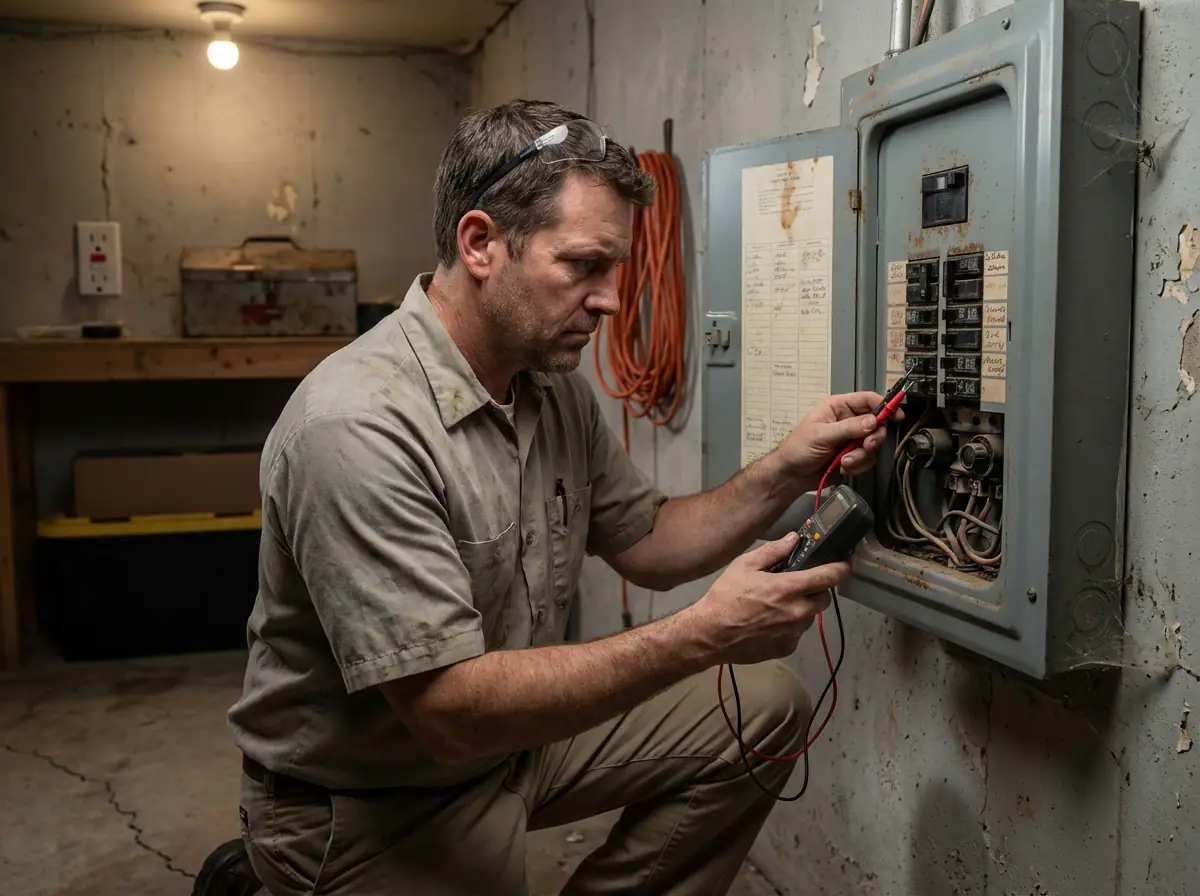
The electrician will carefully examine your main electrical panel and any sub-panels. With the power on, they’ll check for proper labeling, signs of overheating or damage, correct wire sizing, appropriate breaker types and ratings, and proper connections. They may use thermal imaging to detect hot spots that indicate loose connections or overloaded circuits.
This evaluation reveals whether your panel is adequate for your needs or if replacement or upgrades are recommended.
Circuit and Wiring Assessment
The electrician will test circuits throughout your home, checking outlets and switches in every room. They’ll verify proper grounding, test GFCI and AFCI devices, check for reversed polarity or other wiring errors, measure voltage levels, and look for signs of overloaded circuits.
In accessible areas like attics, crawl spaces, and basements, they’ll visually inspect wiring condition, proper support and protection, junction boxes and connections, and compliance with current codes.
Specialized Equipment and Safety Testing
Professional electricians use specialized tools during inspections including multimeters to measure voltage and resistance, circuit analyzers to test outlet wiring, thermal imaging cameras to detect hot spots, GFCI testers to verify protection devices work properly, and amp meters to measure circuit loads.
These tools provide objective data about your system’s condition and performance that goes far beyond what’s visible to the naked eye.
Detailed Report and Recommendations
After completing the inspection, you’ll receive a comprehensive report documenting all findings. This typically includes a list of safety hazards requiring immediate attention, code violations that should be corrected, recommendations for upgrades or improvements, estimated costs for needed work, and photos or diagrams illustrating key issues.
A good electrician will take time to review this report with you, answer your questions, and help you prioritize what needs to be done first based on safety and budget considerations.
The Cost of Electrical Inspections vs. the Cost of Ignoring Problems
Many homeowners hesitate to schedule electrical inspections because they’re concerned about the cost. While inspection fees vary depending on your home’s size and complexity, the investment typically ranges from a few hundred to several hundred dollars.
However, this cost is minimal compared to the potential consequences of undetected electrical problems. Electrical fires cause an estimated $1.3 billion in property damage annually in the United States. Insurance may not cover damage caused by known defects or deferred maintenance. Major repairs needed after a fire or failure are exponentially more expensive than preventive maintenance.
Beyond the financial aspect, electrical hazards put your family’s safety at risk. Shock injuries, carbon monoxide poisoning from malfunctioning equipment, and fire dangers can have devastating consequences that no amount of money can undo.
An electrical inspection is an investment in your home’s safety, functionality, and value. It provides the information you need to maintain your electrical system properly and avoid costly emergency repairs down the road.
Choosing the Right Electrician for Your Safety Inspection
The quality of your electrical inspection depends entirely on the knowledge, experience, and thoroughness of the electrician performing it. When selecting an electrician for this important service, look for proper Texas electrical licensing, experience with residential inspections, detailed reporting practices, and a reputation for honesty and integrity.
At Revamped Electric, we bring military precision and attention to detail to every inspection we perform. As a veteran-owned company serving Granbury and surrounding Hood County communities, we understand that your home is your most important investment. Our comprehensive inspections identify not just obvious problems but subtle issues that could develop into major concerns.
We provide clear, honest assessments without pressure tactics or unnecessary upselling. Our goal is to give you the information you need to make informed decisions about your electrical system’s safety and performance. Every inspection includes a detailed written report you can reference for years to come.
Protecting Your Granbury Home Starts with Knowledge
Your home’s electrical system is too important to ignore. While it’s easy to take electricity for granted when everything seems to be working fine, hidden problems can develop over time that compromise your safety and put your property at risk.
A professional electrical safety inspection provides the knowledge you need to keep your Granbury home safe, functional, and up to code. Whether you’re concerned about an older home’s wiring, planning major upgrades, or simply want peace of mind, an inspection is a smart investment that pays dividends in safety and reliability.
Don’t wait for warning signs to appear or for a minor issue to become a major emergency. Contact Revamped Electric today to schedule your comprehensive electrical safety inspection. Our licensed electricians will thoroughly evaluate your system and provide you with honest, transparent recommendations tailored to your home’s specific needs. Serving Granbury, Tolar, Stephenville, and surrounding areas, we’re your neighbors committed to keeping our community safe, one home at a time.