

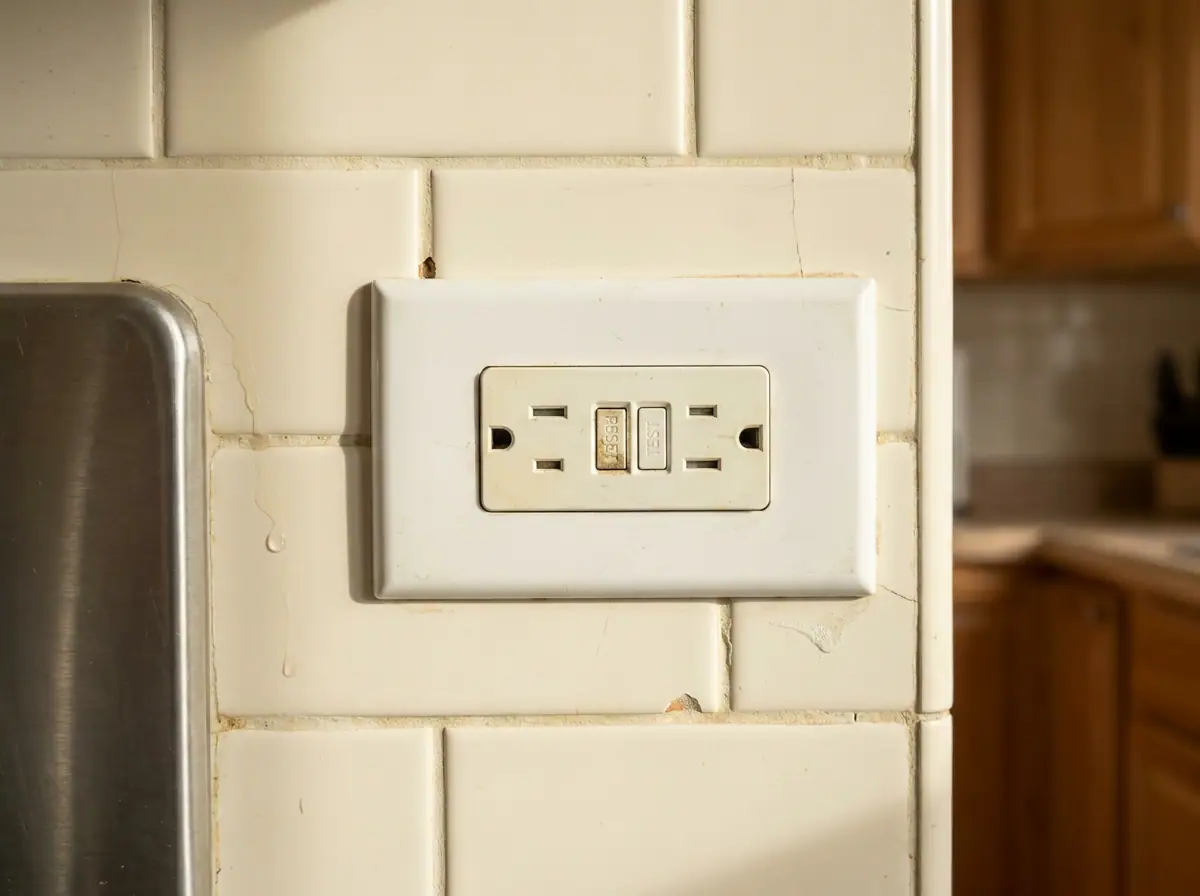
If you’ve ever noticed an outlet in your bathroom or kitchen with two small buttons labeled “TEST” and “RESET,” you’ve already encountered a GFCI outlet. But do you know what it actually does, where it’s required in your home, and whether yours are working properly? For many Granbury homeowners, GFCI protection is one of those things that gets overlooked until something goes wrong. And when something goes wrong with electrical safety, the consequences can be serious.
At Revamped Electric, we get questions about GFCI outlets regularly. Homeowners want to know why a certain outlet isn’t working, whether their older home is up to code, or what the difference is between a GFCI outlet and a regular one. This guide covers all of that and more, so you can make informed decisions about the electrical safety of your home right here in Granbury and the surrounding areas.
What Is a GFCI Outlet and How Does It Work?
GFCI stands for Ground Fault Circuit Interrupter. It’s a safety device designed to protect people from electric shock in areas where water and electricity might come into contact. That combination, as most people intuitively understand, can be extremely dangerous.
Here’s the simple version of how it works: a GFCI outlet constantly monitors the flow of electricity moving through the circuit. Under normal conditions, the current flowing into a device and the current flowing out should be equal. If the GFCI detects even a tiny difference, as small as 5 milliamps, it interprets that as a fault and cuts power to the outlet almost instantaneously, within about 1/40th of a second. That’s fast enough to prevent a lethal shock in most cases.
That tiny difference in current typically means electricity is finding an unintended path to the ground, possibly through a person. Without GFCI protection, that scenario can result in severe injury or death. With it, power is interrupted before the situation becomes fatal.
Where Are GFCI Outlets Required in Your Home?
The National Electrical Code (NEC) has expanded its GFCI requirements significantly over the decades, which means older homes often don’t have GFCI protection in all the places where it’s now considered essential. If your Granbury home was built or last updated before the mid-1990s, there’s a real chance you’re missing GFCI coverage in several key areas.
Bathrooms
Any outlet within reach of a sink or water source in a bathroom must be GFCI protected. This has been a code requirement since the 1970s, but older homes may still have standard outlets in place if no updates have been made.
Kitchens
Outlets along kitchen countertops, especially those within six feet of a sink, are required to have GFCI protection. This covers the outlets where you’d plug in small appliances like toasters, coffee makers, and blenders.
Garages and Accessory Structures
All outlets in garages, workshops, and detached structures like sheds or barns require GFCI protection under current code. These spaces often have vehicles, equipment, and moisture present, making ground fault protection especially important.
Outdoor Outlets
Any outlet installed on the exterior of your home must be GFCI protected. Outdoor outlets are exposed to rain, humidity, and temperature swings, all of which increase the risk of a ground fault.
Basements and Crawl Spaces
Unfinished basements and crawl spaces require GFCI protection because of the moisture that tends to accumulate in these areas. Finished basements may have different requirements depending on the specific layout and use.
Near Swimming Pools, Hot Tubs, and Water Features
Any outlets or electrical equipment near pools, spas, or decorative water features must meet strict GFCI requirements. This is one of the most critical applications of GFCI protection given the obvious risks involved.
Laundry Areas
Outlets in laundry rooms and near utility sinks are also subject to GFCI requirements in many cases, particularly those within six feet of a water source.
Does My Older Granbury Home Need GFCI Upgrades?
This is one of the most common questions we hear from homeowners in Hood County and the surrounding communities. The honest answer is: probably yes, if your home hasn’t had its electrical system updated in the last 20 to 30 years.
Older homes, especially those built in the 1950s, 60s, and 70s, often have outdated wiring systems and outlet configurations that were perfectly legal at the time but don’t meet today’s safety standards. While the code doesn’t always require retroactive upgrades unless you’re doing a renovation, adding GFCI protection to older outlets is one of the most cost-effective safety improvements you can make.
It’s also worth noting that GFCI protection doesn’t always have to come in the form of a GFCI outlet. A GFCI breaker can be installed in your electrical panel to protect an entire circuit, which is sometimes a more efficient solution depending on the layout of your home. If you’ve been looking into a panel upgrade or have questions about your breaker box, understanding how GFCI protection fits into your overall electrical system is a great starting point.
Why GFCI Outlets Stop Working and What to Do About It
One of the most common calls we get at Revamped Electric is from homeowners who have an outlet that’s completely dead, and after some troubleshooting, it turns out a tripped GFCI somewhere else in the house is the culprit. That’s because GFCI outlets can be wired to protect multiple outlets downstream on the same circuit. When the GFCI trips, everything connected to it loses power.
Here’s what to do if you have a dead outlet:
- Check nearby bathrooms, kitchens, garages, and outdoor areas for GFCI outlets with a tripped reset button. If the center button is popped out, press “RESET” firmly to restore power.
- Check your electrical panel for any tripped breakers.
- If you reset the GFCI and it immediately trips again, that’s a sign there’s an actual fault on the circuit that needs professional diagnosis.
GFCI outlets can also simply wear out over time. Most have a lifespan of 10 to 25 years depending on the quality and conditions they’re exposed to. If your GFCI outlets are old, if the TEST button doesn’t cause the outlet to lose power, or if the RESET button won’t stay engaged, the outlet itself has likely failed and needs to be replaced.
GFCI vs. AFCI: Understanding the Difference
While we’re on the topic of protective electrical devices, it’s worth briefly touching on AFCI outlets and breakers, which are a different but equally important type of protection. AFCI stands for Arc Fault Circuit Interrupter, and instead of protecting against ground faults (shock hazards), AFCI technology detects arc faults, which are abnormal electrical discharges that can occur in damaged or deteriorating wiring and are a leading cause of house fires.
The two technologies address different hazards, and modern electrical codes now require both in various areas of the home. Bedrooms, living rooms, hallways, and other living spaces typically require AFCI protection, while wet areas require GFCI protection. Some locations require dual-function devices that provide both AFCI and GFCI protection in a single outlet or breaker.
If your home has older wiring and you’re looking to improve electrical safety across the board, having a licensed electrician evaluate both your GFCI and AFCI coverage is a smart move. This kind of assessment often ties directly into a broader conversation about your home’s wiring condition and overall electrical health.
How Much Does It Cost to Install or Replace GFCI Outlets in Granbury?
GFCI outlets themselves are relatively affordable compared to many other electrical upgrades. The bigger variable is the labor involved and how many outlets you need to address. A single GFCI outlet replacement in an accessible location is a quick job. Updating multiple outlets throughout the home, especially in an older property with two-prong ungrounded outlets, involves more work and planning.
At Revamped Electric, we believe in transparent, honest pricing. We’ll give you a clear picture of what the work involves and what it will cost before any work begins. There are no surprise charges and no inflated estimates. As a locally owned, veteran-operated business serving Granbury and the surrounding communities, our reputation depends on being straight with our neighbors.
When to Call a Licensed Electrician for GFCI Issues
Some GFCI issues, like pressing the reset button after a tripped outlet, are things any homeowner can handle. But there are situations where you should pick up the phone and call a professional:
- A GFCI outlet keeps tripping repeatedly without an obvious cause
- The TEST button doesn’t work when you press it
- You smell burning or see discoloration around an outlet
- You’re purchasing an older home and want an electrical safety inspection
- You’re adding new outlets or renovating a kitchen, bathroom, or garage
- You want to ensure your home meets current electrical code requirements
These aren’t situations to guess your way through. Electrical safety is one area where getting it right the first time is non-negotiable.
Protecting Your Granbury Home Starts with the Right Outlets
GFCI outlet installation and replacement is one of the simpler electrical upgrades available to homeowners, but its impact on safety is significant. Whether you’re in Granbury, Weatherford, Aledo, Stephenville, or anywhere else in our service area, making sure the right outlets are in the right places is a foundational part of a safe, code-compliant home.
It’s also not something that exists in isolation. GFCI protection is just one piece of a broader electrical system that works best when all its parts are in good shape, from your outlets and wiring to your breaker panel and circuits. If you’ve been thinking about electrical updates in your home and aren’t sure where to start, a professional walk-through of your current setup can help you prioritize what matters most.
Ready to make sure your home is properly protected? Reach out to Revamped Electric today for a straightforward quote. We’ll assess your current outlets, let you know exactly what you need, and get it done right, with the kind of honest, personal service that’s earned us the trust of homeowners across Hood County and beyond.