
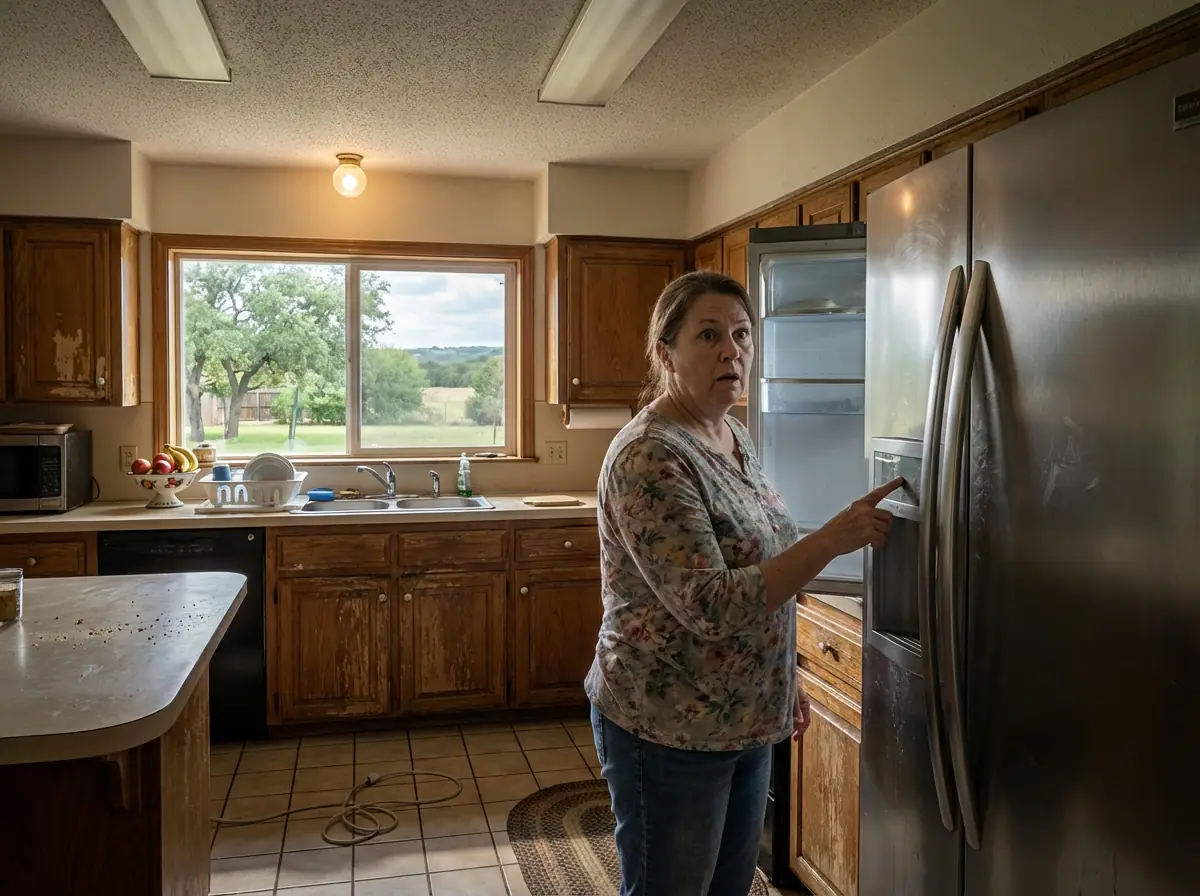
Have you ever noticed your lights flickering or dimming when the air conditioner kicks on, the refrigerator starts running, or you fire up a power tool in the garage? If this sounds familiar, you’re not alone. Many homeowners in Granbury, Tolar, and throughout Hood County experience this frustrating electrical issue, and while it might seem like a minor inconvenience, it can signal deeper problems with your home’s electrical system.
Understanding why lights dim when appliances turn on comes down to a concept called voltage drop. In this guide, we’ll break down what voltage drop is, what causes it, when it’s dangerous, and most importantly, how to fix it. Whether you’re dealing with occasional dimming or constant flickering that makes you worry about your home’s safety, this article will help you understand what’s happening behind your walls and when to call a licensed electrician.
What Is Voltage Drop and Why Does It Happen?
Voltage drop occurs when electrical current traveling through your home’s wiring loses voltage between the source (your electrical panel) and the destination (your lights, outlets, or appliances). Think of it like water pressure in your plumbing. When you turn on multiple faucets at once, the water pressure drops at each location. Similarly, when a large appliance draws power, it can temporarily reduce the voltage available to other devices on the same circuit.
In a properly designed electrical system, voltage drop should be minimal, typically less than 3% under normal operating conditions. However, when you see noticeable dimming, it usually means the voltage drop exceeds acceptable levels. This happens because high-draw appliances like HVAC systems, refrigerators, washing machines, and power tools require a significant surge of electricity when their motors start up. This sudden demand pulls voltage away from other devices sharing the same circuit or connected to undersized wiring.
While slight dimming that lasts just a second or two might not indicate a serious problem, persistent or severe dimming deserves attention. The issue becomes more concerning when lights dim significantly, stay dim for extended periods, or when you notice other symptoms like buzzing sounds, warm outlets, or burning smells.
Common Causes of Voltage Drop in Residential Homes
Several factors can contribute to voltage drop problems in your Granbury home. Identifying the root cause is essential for implementing the right solution and preventing potential safety hazards.
Undersized or Overloaded Circuits
One of the most frequent culprits is having too many devices on a single circuit or using wire gauges that are too small for the electrical load. Older homes in Granbury weren’t designed for today’s electrical demands. When your home was built 20, 30, or 40 years ago, households didn’t have multiple large-screen TVs, home offices with computers and printers, electric vehicle chargers, or the array of kitchen appliances we use today.
When you plug a high-wattage appliance into an already-taxed circuit, the wiring can’t handle the combined load efficiently. This creates resistance, which manifests as voltage drop and causes your lights to dim. Modern appliances often require dedicated circuits to function safely and efficiently without affecting other devices in your home.
Loose or Corroded Connections
Electrical connections naturally loosen over time due to thermal expansion and contraction. Every time current flows through a connection, it generates heat. This heating and cooling cycle can cause terminals, wire nuts, and other connection points to work loose. Additionally, corrosion can develop at connection points, especially in areas with high humidity or where moisture has infiltrated.
Loose or corroded connections create resistance in your electrical system, which directly causes voltage drop. These connection issues can occur at outlets, switches, junction boxes, or even within your electrical panel. This is one reason why faulty wiring should never be ignored, as it represents both a performance issue and a potential fire hazard.
Outdated or Inadequate Electrical Panel
Your electrical panel is the heart of your home’s electrical system, distributing power to all the circuits throughout your house. If your panel is outdated, undersized, or malfunctioning, it can struggle to deliver consistent voltage to your circuits. Many older homes in the Granbury area still have 100-amp or even 60-amp service, which simply isn’t enough for modern electrical needs.
When your panel can’t adequately distribute power, certain circuits may experience voltage drop when high-demand appliances activate. Signs that your panel might be the problem include frequent breaker trips, a panel that’s warm to the touch, visible rust or corrosion, or a panel that’s more than 25-30 years old. In these cases, a panel upgrade may be necessary to restore proper voltage levels and ensure your home’s electrical safety.
Long Wire Runs and Improper Wire Gauge
The longer electricity has to travel through a wire, the more voltage it loses along the way. This is especially problematic in larger homes or when circuits run long distances to detached garages, workshops, or outdoor areas. If the wire gauge isn’t properly sized for both the load and the distance, voltage drop becomes even more pronounced.
For example, a 14-gauge wire might be acceptable for a short run to a bedroom light fixture, but the same gauge wire running 75 feet to a garage workshop would experience significant voltage drop under load. Professional electricians calculate wire gauge based on both the expected amperage and the length of the run to minimize voltage drop and ensure code compliance.
When Voltage Drop Becomes a Safety Concern
While occasional, minor dimming might be more annoying than dangerous, certain voltage drop scenarios pose genuine safety risks that require immediate attention from a licensed electrician.
Overheating and Fire Risk
Excessive voltage drop typically indicates high resistance somewhere in your electrical system. Resistance generates heat, and heat is the enemy of electrical systems. When connections are loose or corroded, or when wires are undersized for their load, they can become hot enough to damage insulation, melt wire nuts, or even ignite surrounding materials.
Warning signs of dangerous overheating include outlets or switches that are warm to the touch, discolored or melted outlet covers, a burning smell near outlets or your electrical panel, or scorch marks on walls or ceilings near electrical devices. If you notice any of these symptoms, turn off the affected circuit at your breaker panel and contact a professional electrician immediately.
Damage to Sensitive Electronics
Modern electronics are designed to operate within specific voltage ranges. When voltage drops significantly and repeatedly, it can damage sensitive components in computers, televisions, smart home devices, and other electronics. Motors in appliances like refrigerators, HVAC systems, and washing machines are particularly vulnerable, as low voltage forces them to draw more current to compensate, which can lead to overheating and premature failure.
If you’re experiencing frequent voltage drop, you’re not just dealing with annoying flickering lights. You could be shortening the lifespan of expensive appliances and electronics throughout your home.
Code Violations and Insurance Issues
Electrical work that doesn’t meet current National Electrical Code (NEC) standards isn’t just unsafe, it can also create problems with home insurance and resale value. Insurance companies may deny claims related to electrical fires if they determine the wiring wasn’t up to code. Similarly, home inspections during a sale will flag electrical deficiencies, potentially derailing transactions or forcing expensive last-minute repairs.
How to Fix Voltage Drop Issues in Your Home
The good news is that voltage drop problems are fixable. The right solution depends on the underlying cause, which is why professional diagnosis is so important.
Install Dedicated Circuits for High-Draw Appliances
The most effective solution for voltage drop caused by large appliances is installing dedicated circuits. This means running a new circuit from your electrical panel directly to the appliance, ensuring it doesn’t share power with lights or other devices. Refrigerators, microwaves, dishwashers, washing machines, dryers, HVAC systems, and electric water heaters should all have their own dedicated circuits.
If you’re planning a kitchen or bathroom remodel, adding a home office, or setting up a workshop, this is the perfect time to have new circuits installed. Professional circuit installation ensures proper wire sizing, appropriate breaker protection, and code-compliant work that will serve your home safely for decades.
Upgrade Your Electrical Panel
If your home has an older panel or your current service is undersized for your needs, upgrading to a modern 200-amp panel can eliminate voltage drop issues while providing capacity for future electrical additions. A panel upgrade also allows you to replace outdated circuit breakers, add AFCI and GFCI protection where required by code, and improve overall electrical safety.
Panel upgrades are particularly important if you’re planning to add an electric vehicle charger, install a hot tub, add central air conditioning, or make other improvements that will increase your home’s electrical load. A qualified electrician can assess your current and future needs to recommend the right panel size and configuration.
Repair or Replace Faulty Wiring and Connections
When voltage drop is caused by loose connections, corroded terminals, or damaged wiring, targeted repairs can restore proper voltage levels. This might involve tightening connections at outlets and switches, replacing corroded wire nuts, upgrading wire gauge on specific circuits, or rewiring sections of your home with damaged or outdated wiring.
These repairs require expertise and specialized tools. An experienced electrician can trace circuits, identify problem connections, and make repairs that meet current code standards. DIY electrical work is never recommended, as mistakes can create serious safety hazards and void your homeowner’s insurance.
Balance Loads Across Multiple Circuits
Sometimes voltage drop can be minimized by redistributing electrical loads more evenly across your home’s circuits. An electrician can map your existing circuits, identify which ones are overloaded, and potentially reassign outlets or lighting to underutilized circuits. This approach works best when you have adequate circuit capacity but poor load distribution.
Professional Diagnosis Makes All the Difference
While understanding voltage drop helps you recognize when there’s a problem, diagnosing the specific cause requires professional expertise and equipment. Licensed electricians use specialized tools like multimeters, clamp meters, and thermal imaging cameras to pinpoint exactly where voltage drop is occurring and why.
At Revamped Electric, we bring both technical expertise and a commitment to honest, transparent service to every job. As a veteran-owned business serving Granbury, Stephenville, Weatherford, and surrounding communities in Hood, Parker, and Somervell counties, we understand that your home’s electrical system is too important to leave to guesswork. We’ll thoroughly assess your system, explain what we find in plain language, and provide clear options for resolving the issue.
Our approach combines big-brand quality with hometown service. We won’t push unnecessary upgrades or use scare tactics. Instead, we’ll give you honest recommendations based on safety, code compliance, and your specific needs and budget. Whether you need a simple repair, a dedicated circuit installation, or a complete panel upgrade, we’ll do the job right the first time.
Protecting Your Home’s Electrical Health
Dimming lights when appliances turn on might seem like a small annoyance, but it’s often your home’s way of telling you something needs attention. Voltage drop isn’t just about flickering lights. It’s about the overall health and safety of your electrical system. Left unaddressed, it can lead to damaged appliances, increased energy costs, and potentially dangerous conditions.
If you’re experiencing voltage drop issues in your Granbury-area home, don’t wait for the problem to get worse. Early intervention is almost always less expensive and safer than dealing with electrical emergencies or appliance failures down the road. Modern homes demand reliable, consistent power, and your electrical system should be up to the task.
Whether you’ve noticed lights dimming, outlets feeling warm, breakers tripping frequently, or you’re simply concerned about your home’s electrical capacity, Revamped Electric is here to help. We serve homeowners throughout Granbury, Tolar, Stephenville, Aledo, Mineral Wells, Benbrook, Weatherford, Hudson Oaks, and West Fort Worth with fast, professional electrical services you can trust.
Ready to solve your voltage drop issues and ensure your home’s electrical system is safe and reliable? Contact Revamped Electric today for a thorough electrical assessment. We’ll answer your questions, schedule service at your convenience, and provide the expert solutions your home deserves. Your safety and satisfaction are our top priorities, and we’re committed to delivering the quality workmanship and honest service that have made us Granbury’s trusted electrical experts.