

If you’ve lived in Granbury or anywhere in Hood County for more than a single summer, you already know that Texas weather doesn’t play by the rules. Ice storms shut down the grid for days. Severe thunderstorms knock out power lines. High-demand heat waves push the electrical infrastructure to its limits. And when the lights go out, the consequences for your home, your family, and even your business can be serious.
More homeowners across Hood, Parker, and Johnson counties are turning to backup generator systems as a long-term solution. But what most people don’t realize is that simply buying a generator from a big-box store is only part of the picture. The electrical work behind a properly installed generator system is just as important as the generator itself, and doing it wrong isn’t just inconvenient, it’s dangerous. This guide walks you through everything you need to know before you invest in backup power for your Granbury home.
Why Granbury Homeowners Are Prioritizing Backup Power
Texas has faced some historically damaging grid events in recent years, and the Granbury area is no stranger to weather-related outages. Severe storms rolling through Hood County, ice accumulation on power lines, and extreme heat pushing transformer loads to their limits all contribute to an environment where backup power isn’t a luxury, it’s a practical investment.
Beyond storm-related outages, many homeowners in this area live on larger rural properties or at the end of utility lines where power restoration simply takes longer. For households with medical equipment, livestock operations, home-based businesses, or family members who are vulnerable to temperature extremes, a multi-day outage is not just an inconvenience. It can be a genuine emergency.
A properly installed standby generator system, wired by a licensed electrician, gives you peace of mind that goes far beyond candles and flashlights.
Portable Generator vs. Standby Generator: Understanding the Difference
Before diving into the electrical installation side of things, it helps to understand the two main categories of residential backup power.
Portable Generators
Portable generators are the units you wheel out of the garage and run in the yard during an outage. They require manual setup, need to be refueled regularly with gasoline or propane, and must be operated a safe distance from the home to prevent carbon monoxide buildup. They can power a few essential circuits if used with the right equipment, but they’re not a permanent solution.
Standby Generators
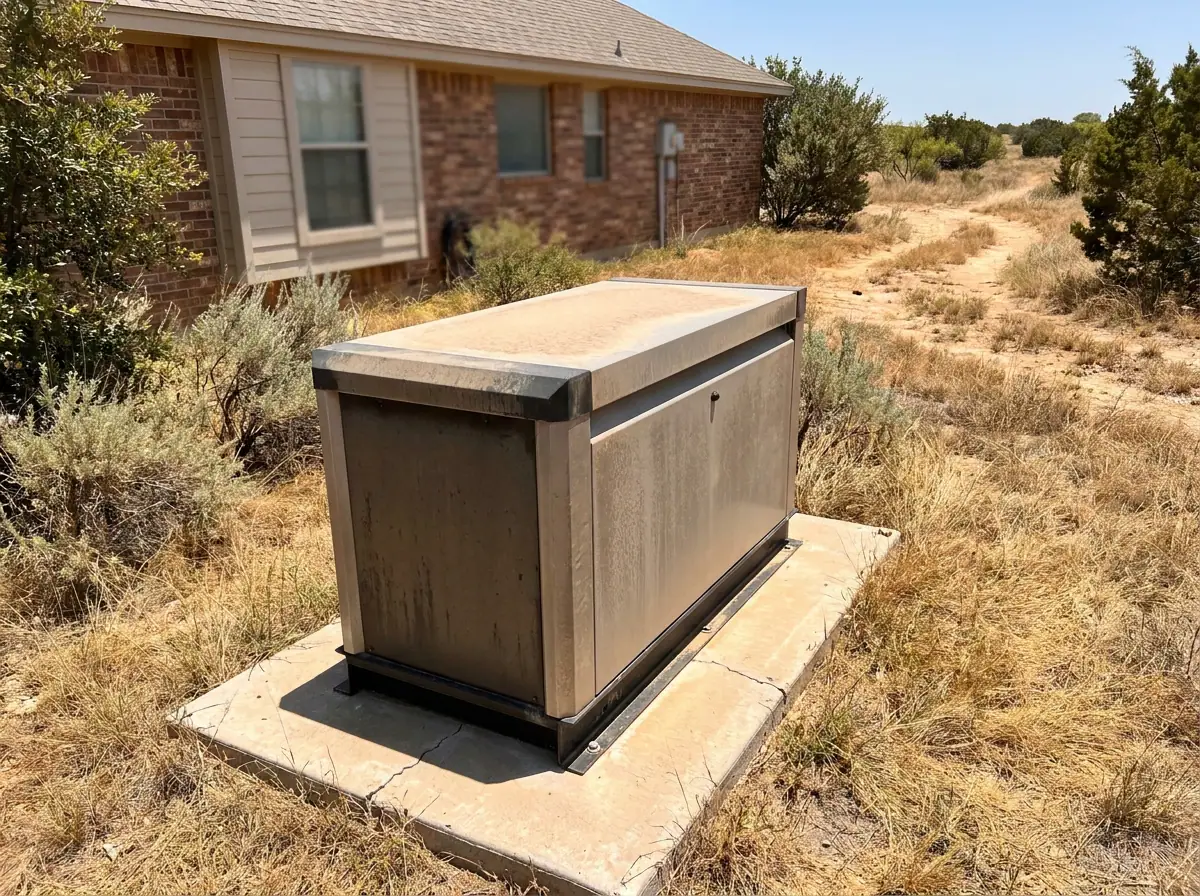
Standby generators are permanently installed outside your home, connected to a natural gas or propane fuel supply, and wired directly into your electrical system through a transfer switch. When the grid goes down, they detect the outage automatically and turn on within seconds, often without you needing to do anything at all. When power is restored, they shut off automatically as well.
Standby systems are a larger upfront investment, but they offer unmatched convenience, reliability, and safety when professionally installed. And that professional installation is where a licensed electrician becomes absolutely essential.
The Transfer Switch: The Most Critical Piece of the Puzzle
Whether you’re connecting a portable generator or installing a full standby system, a transfer switch is the component that makes it all safe and functional. This is not optional equipment, and it is not something to cut corners on.
What a Transfer Switch Does
A transfer switch sits between your home’s electrical panel and the power source, whether that’s the utility grid or your generator. Its job is to disconnect your home from the utility grid the moment the generator kicks in. This prevents what electricians call back-feeding, which is when your generator sends power backward through the utility lines.
Back-feeding is extremely dangerous. It can electrocute utility workers who are on the lines trying to restore power to your neighborhood. It can also damage your generator, your appliances, and your electrical panel. Properly installed transfer switches are not just a code requirement, they are a life-safety measure.
Manual vs. Automatic Transfer Switches
Manual transfer switches require a person to physically flip the switch when transitioning between utility power and generator power. They’re typically used with portable generator setups and are a more affordable option if you’re comfortable with the manual process.
Automatic transfer switches, commonly called ATS units, detect a power outage and switch your home over to generator power without any human action required. These are standard with standby generator installations and are what most homeowners with whole-home backup power choose. If you want to learn more about how your home’s electrical system handles power distribution, our panel changes and upgrades page covers how your electrical panel fits into the bigger picture.
What a Licensed Electrician Does During Generator Installation
This is where the DIY line gets crossed. Generator installation involves work inside your electrical panel, coordination with your gas utility or propane supplier, and local code compliance, all of which require a licensed electrician.
Panel Assessment and Capacity Planning
Before any generator is installed, a qualified electrician needs to evaluate your existing electrical panel. Older panels or undersized service entrances may not be compatible with a generator hookup without upgrades. The electrician will assess your panel’s capacity, the condition of your wiring, and which circuits you want to prioritize during an outage, whether that’s your HVAC system, refrigerator, lighting, or medical equipment.
If your panel is aging or already showing signs of stress, this is often the ideal time to address both issues together. You can explore what’s involved in that process on our electrical panel upgrades page.
Transfer Switch Installation
The electrician installs the transfer switch, either as a standalone unit near your main panel or as an integrated interlock kit depending on the setup. This involves working inside a live electrical panel, which carries serious risk of arc flash and electrocution if attempted without training and proper equipment. This step alone is sufficient reason to hire a professional.
Wiring the Generator to the Home
The generator itself needs to be connected to the transfer switch through proper wiring rated for the load it will carry. The electrician determines the correct wire gauge, conduit requirements, and connection points to ensure the system operates safely and meets local code. Improper wiring here can cause overheating, fires, or generator failure.
Permits and Inspections
In Texas, generator installations typically require an electrical permit and a final inspection by the local authority having jurisdiction. A licensed electrician handles this process for you, ensuring your installation is documented and code-compliant. This matters not just for safety, but for your homeowner’s insurance and for future property sales.
Sizing Your Generator Correctly for Your Granbury Home
One of the most common mistakes homeowners make is purchasing a generator that’s either too small to run what they need or oversized for their setup in a way that wastes fuel and adds unnecessary expense. Getting the sizing right requires calculating your actual electrical load.
A licensed electrician can perform a load calculation that accounts for your HVAC system (typically the largest draw in a Texas home), your refrigerator and freezer, lighting, well pump if applicable, and any other critical loads you want covered. Generators are sized in kilowatts, and the difference between a 14kW unit and a 22kW unit can be significant in both price and performance.
If you’re unsure where to start, the best first step is scheduling a consultation with an electrician who can walk through your home, assess your panel, and give you an honest recommendation based on your actual needs rather than upselling you on the most expensive option available.
Safety Considerations Every Homeowner Should Know
Even with a professionally installed standby system, there are important safety practices to keep in mind as a homeowner.
- Never run a portable generator indoors or in an attached garage. Carbon monoxide is odorless and can be fatal within minutes. The generator must operate outside, away from windows and doors.
- Schedule regular generator maintenance. Standby generators should be tested and serviced according to the manufacturer’s schedule, typically annually. Most modern standby units run a self-test cycle weekly, but professional servicing ensures fuel systems, batteries, and connections stay in top condition.
- Know your fuel source. Natural gas standby generators connect to the utility gas line and don’t require you to store fuel. Propane units require a tank that needs to be kept adequately filled, especially before storm season.
- Check your electrical system’s overall health. A generator connected to a home with faulty wiring or overloaded circuits creates compounding risk. If your home hasn’t had a professional electrical inspection recently, it’s worth scheduling one before adding a generator to the mix. You can learn more about what that process looks like on our home electrical inspection page.
What to Expect From the Installation Process
A typical standby generator installation in the Granbury area involves several coordinated steps. First, the generator unit is positioned and mounted on a concrete pad outside the home at a code-required distance from windows, doors, and gas meters. Then the electrician installs the transfer switch and runs the wiring between the panel, the transfer switch, and the generator. The gas utility or propane supplier connects the fuel line. Finally, the system is tested, inspected, and commissioned.
The electrical portion of a straightforward installation can often be completed in a single day, though more complex homes or panel upgrades may extend the timeline. Your electrician should walk you through the timeline clearly upfront so there are no surprises.
Ready to Stop Worrying About the Next Outage?
Backup power isn’t about worst-case thinking, it’s about being prepared for the weather and grid realities that Granbury homeowners already live with every year. A professionally installed generator system adds real, lasting value to your home and gives your family a reliable fallback when the unexpected happens.
At Revamped Electric, we’re a veteran-owned electrical company based right here in Granbury, TX, and we serve homeowners across Hood, Parker, Johnson, and Somervell counties. We bring honest communication, transparent pricing, and quality workmanship to every job, whether it’s a quick fix or a full generator installation. If you’re ready to explore backup power options for your home, reach out to us today to schedule a consultation and get a straightforward quote with no pressure and no guesswork.